

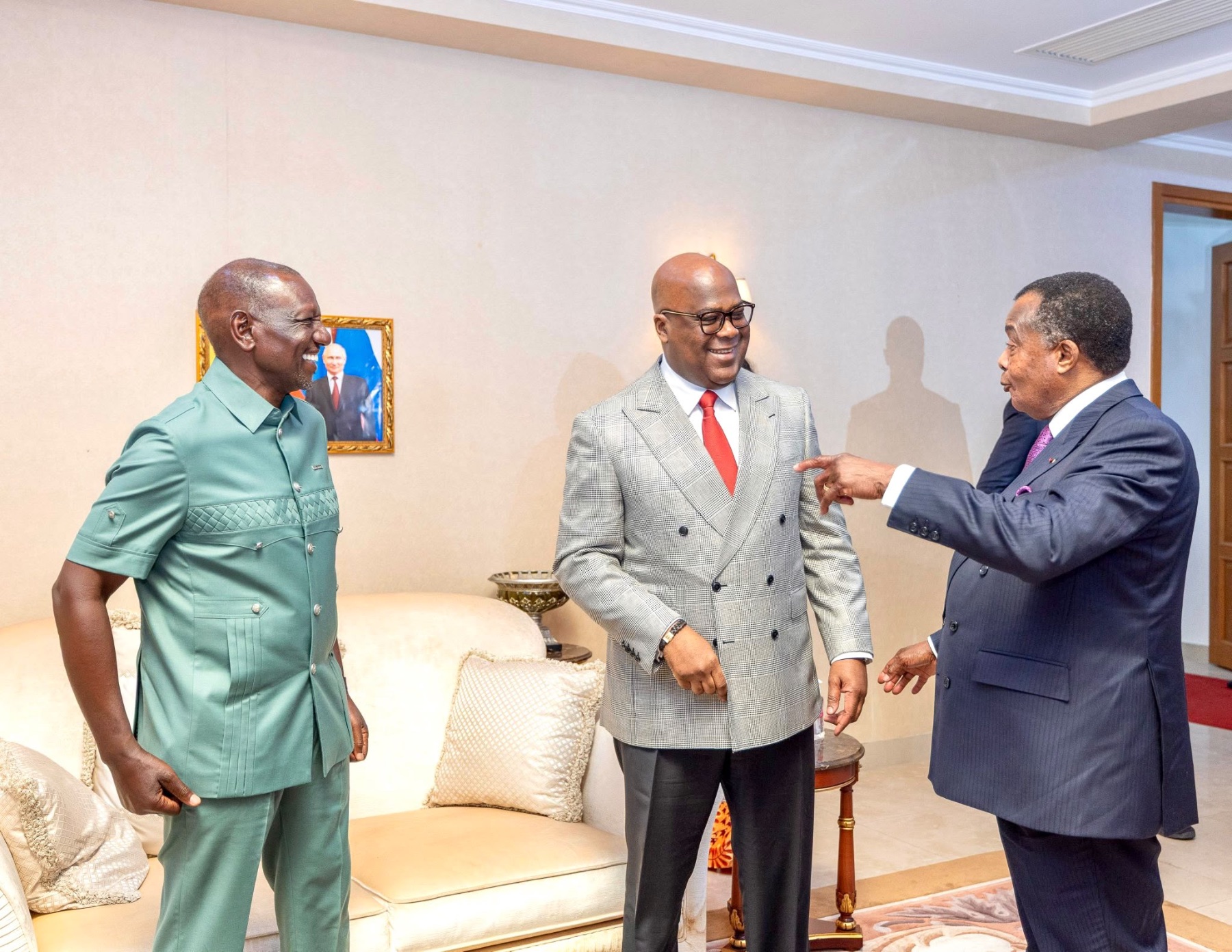
On 22 November 2026 in Oyo, Republic of Congo, William Ruto and Félix Tshisekedi agreed to restore full diplomatic ties, including the return of ambassadors. The meeting, hosted by Denis Sassou Nguesso and mediated by Faure Gnassingbé, ended a rift that began in late 2023 when Nairobi hosted the launch of the Alliance Fleuve Congo linked to M23. Kinshasa had recalled its envoy and later refused to accredit Kenya’s ambassador, accusing Ruto of giving space to forces it views as hostile.
For years Ruto cultivated a close working relationship with Paul Kagame. That closeness cost Kenya its claimed neutrality in the Great Lakes. Tshisekedi publicly said Ruto had taken Rwanda’s side and mismanaged the Nairobi process. The DRC market is far larger than Rwanda’s. Kenyan banks, airlines, and traders already operate there, and exports to the DRC have grown sharply even during the diplomatic freeze. Repairing the relationship is the practical move.
It should not be taken as a clean break
African leaders regularly adjust alliances without abandoning old partners. Ruto can still maintain functional ties with Kigali while fixing the bigger commercial problem with Kinshasa. Joint statements about sovereignty and non interference are standard language. No public demand was made on Rwanda, and the summit did not include Kagame. This looks like classic gamesmanship: keep every door open, protect trade corridors through Mombasa, and avoid permanent enemies inside the East African Community.
At the same time the shift carries weight
Kenya’s willingness to sit with Tshisekedi under African Union facilitation after years of public friction shows that the earlier pro-Kigali tilt had become a liability. Several regional voices already treat Kagame as increasingly isolated on the eastern DRC file, with UN reports, sanctions pressure and limited success in earlier mediation efforts. When a major East African economy prioritises the DRC, it reduces the space for any single actor to dictate terms through proxies.
The timing fits a wider pattern in East Africa
Regional blocs are under pressure to deliver economic results rather than manage endless security stalemates. The DRC’s entry into the EAC created both opportunity and friction. Leaders are recalculating around trade volumes, mineral routes, and investor confidence. Ruto’s earlier bet that proximity to Kigali would strengthen his regional position did not pay off with Kinshasa. Correcting course now is less about principle and more about not losing access to a 100-million-person market and the Northern Corridor.
What readers should notice is the gap between public statements and practical incentives. Diplomatic resets rarely rewrite security realities on the ground in North and South Kivu. M23 and other groups continue to operate. Rwanda continues to deny direct support while facing external criticism. Yet the Oyo meeting shows that even governments previously seen as sympathetic can recalibrate when commercial and political costs rise.
In this region, alliances are transactional. The current thaw between Nairobi and Kinshasa is real on paper and useful for trade, but it will be tested by whether any concrete pressure or cooperation follows on the eastern Congo conflict. Until that happens, the change remains limited and reversible. It's time to put the Eastern DRC war to an end.