

Alcohol, cigarettes and every kind of drug are bad for a person’s health. They damage the body, cloud the mind and often make life harder instead of easier. That part is not in dispute.
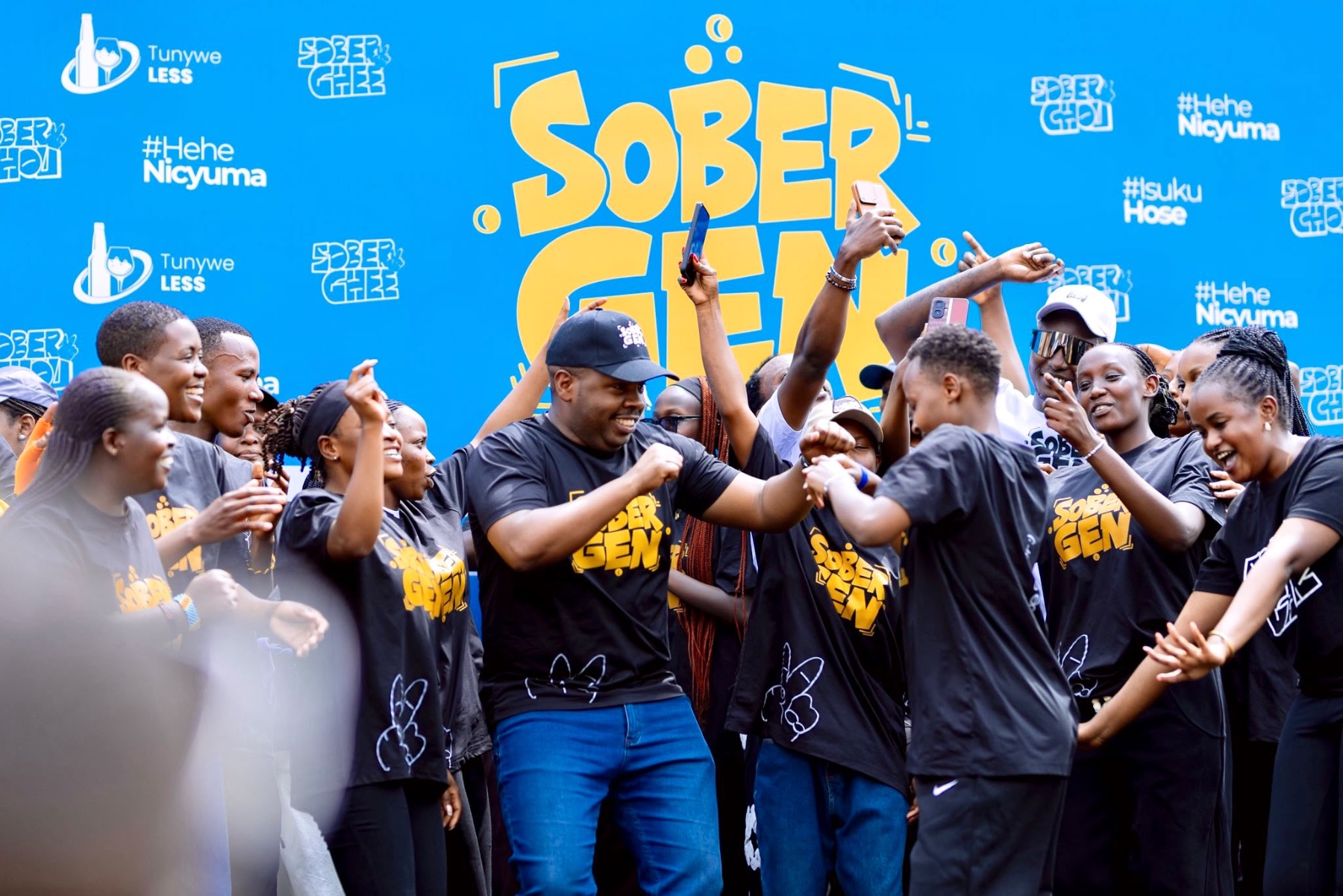
Yet Rwanda is spending public money on a big campaign called Sober Gen that tells young people to stay away from alcohol and drugs. The same money could be used to help people in the villages who cannot afford enough food. Rural families are already struggling with high food prices. Many go to bed hungry or eat only one meal a day. Those resources would do more good in their hands.
The campaign appeared around the time Rwanda faced heavy international sanctions linked to its role in the war in the Democratic Republic of Congo. Instead of answering hard questions about that conflict, the authorities launched a loud national effort focused on what young people drink. Critics see this as a diversion.
Most of the people promoting Sober Gen online are known supporters of the ruling party. They often use different accounts and names. Their job is to keep the same message everywhere and to push back against anyone who asks about costs, priorities or what is really happening. One of these influencers later told Rwanda Freedom of Speech that their censorship pays. After the events, some of them go out and drink the very alcohol they had just been telling others to reject.
In the entire campaign, almost no one tells young people a simple, practical thing: drink plenty of water. Water helps the body stay hydrated and supports the liver and kidneys when someone is trying to clear out alcohol or other substances. Real health advice would include that. The silence on something so basic suggests the goal is not full information. It is a controlled message that does not open the door to wider questions about why so many young people feel they need to drink in the first place.
This is not a serious public-health effort. It looks more like sportswashing and image management. Officials and influencers appear at community work, sports activities and school events wearing matching shirts. The pictures look good. The underlying problems stay untouched.
Large parts of the money spent on these campaigns end up with people close to the ruling party. They supply the T-shirts, organise the transport, handle the drinks at the events and take the contracts for related services. The public pays. A small circle benefits.
Young people already know alcohol and drugs are harmful. What they need is work, decent schools and the freedom to say what is actually wrong without being silenced. When jobs are missing, education is weak and speaking out is risky, many turn to drink or worse. Censorship and constant diversion do not fix that. They deepen the frustration and the depression.
A campaign that refuses to talk about ordinary things like drinking water, while spending public money that could feed hungry families, is not about sobriety. It is about keeping control and protecting the people who already have power. Real solutions start with open speech, jobs and education, not more slogans and more contracts for the same connected businesses.
Our Voice . Our Freedom