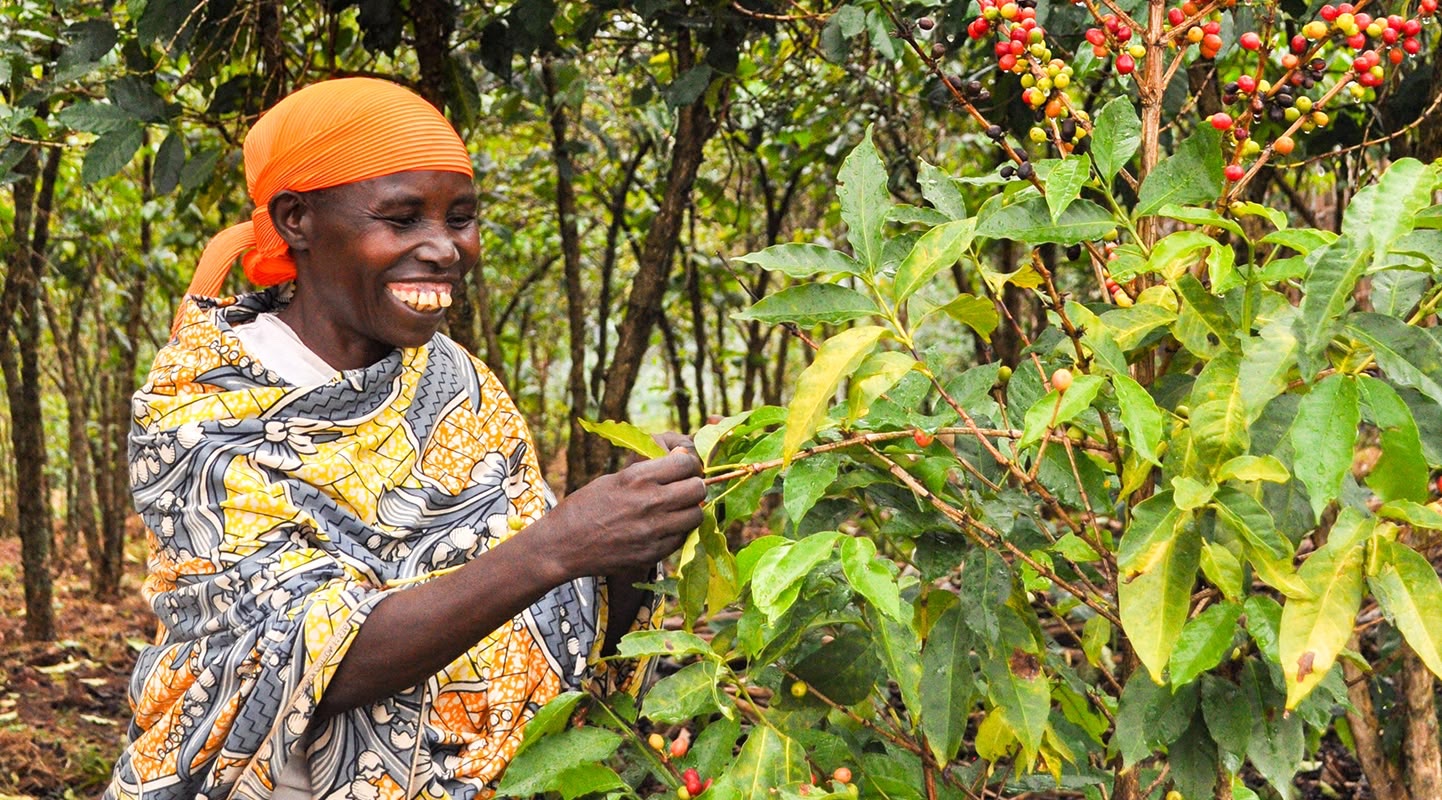
Burundi is recording clearer signs of economic recovery after years of high prices and tight foreign currency. The economy grew by about 4.2 percent in 2025, helped mainly by stronger sales of coffee and gold. Gold exports alone rose sharply, climbing from roughly 400 kilograms the year before to around 1.2 tonnes. At the same time, inflation dropped from peaks near 45 percent in early 2025 to 8.6 percent by April 2026, giving households some relief on everyday costs.
Public debt also eased, falling from 53 percent of GDP in 2024 to 42 percent in 2025. Authorities have focused on tighter spending controls, better tax collection, and a macroeconomic stabilization plan. Looking ahead, the International Monetary Fund (FMI) expects growth to stay near 4 percent or higher through the rest of the decade, supported by more electricity projects, farming improvements, and mining activity.
New irrigation work covering 1,735 hectares in the Ruzizi Plain, backed by the African Development Bank, is expected to raise rice and maize yields and create thousands of jobs, especially for young people and women.
On the health side, several practical steps are expanding access to care. In January 2026 the World Health Organization (WHO) confirmed that Burundi had eliminated trachoma, a disease that once affected many rural communities. Vaccination against cervical cancer has reached nearly 70 percent of the target group. New and upgraded facilities are opening, including a health center in Burima and solar-powered systems at several district hospitals that keep lights and equipment running longer.
Japan recently delivered scanners, an ambulance, X-ray machines, and incubators worth billions of Burundian francs to the regional hospital in Gitega. European and Belgian support continues to fund free care for mothers and young children in hundreds of facilities, covering hundreds of thousands of assisted births and millions of child consultations each year. A new national community health strategy is also moving forward, with pilot results already showing more families washing hands, using nets, and bringing children for check-ups.
The combination of rising export earnings, slower price rises, and concrete investments in clinics and hospitals shows a more stable path than the country has seen in recent years. For many residents, that means slightly more reliable income from farming and mining alongside closer, better-equipped health services.