

People keep asking this question in quiet places. Is the group around President Paul Kagame already thinking about how to push him out so they can keep what they have? History in Rwanda shows that small groups of powerful people have always tried to protect themselves first. Ordinary citizens paid the price every time.
In the old kingdom, the Abiru held the secrets of the royal court. They were not the king, but they decided what could be said and what must stay hidden. They lived better than most. Farmers and herders outside the palace carried the real weight of the system. When the kingdom fell, those close to power found new ways to stay close.
After independence, the Akazu grew around the president’s family and close friends from the north. They controlled the army, the money, and the decisions. Corruption was open. Jobs and land went to the right people. The rest of the country stayed poor and afraid. When the war started in 1990 and the genocide followed, that network did not save the country. It helped destroy it. Many of those who benefited later left or were replaced. Ordinary Rwandans buried their dead, some didn't get that chance, and started again with almost nothing.
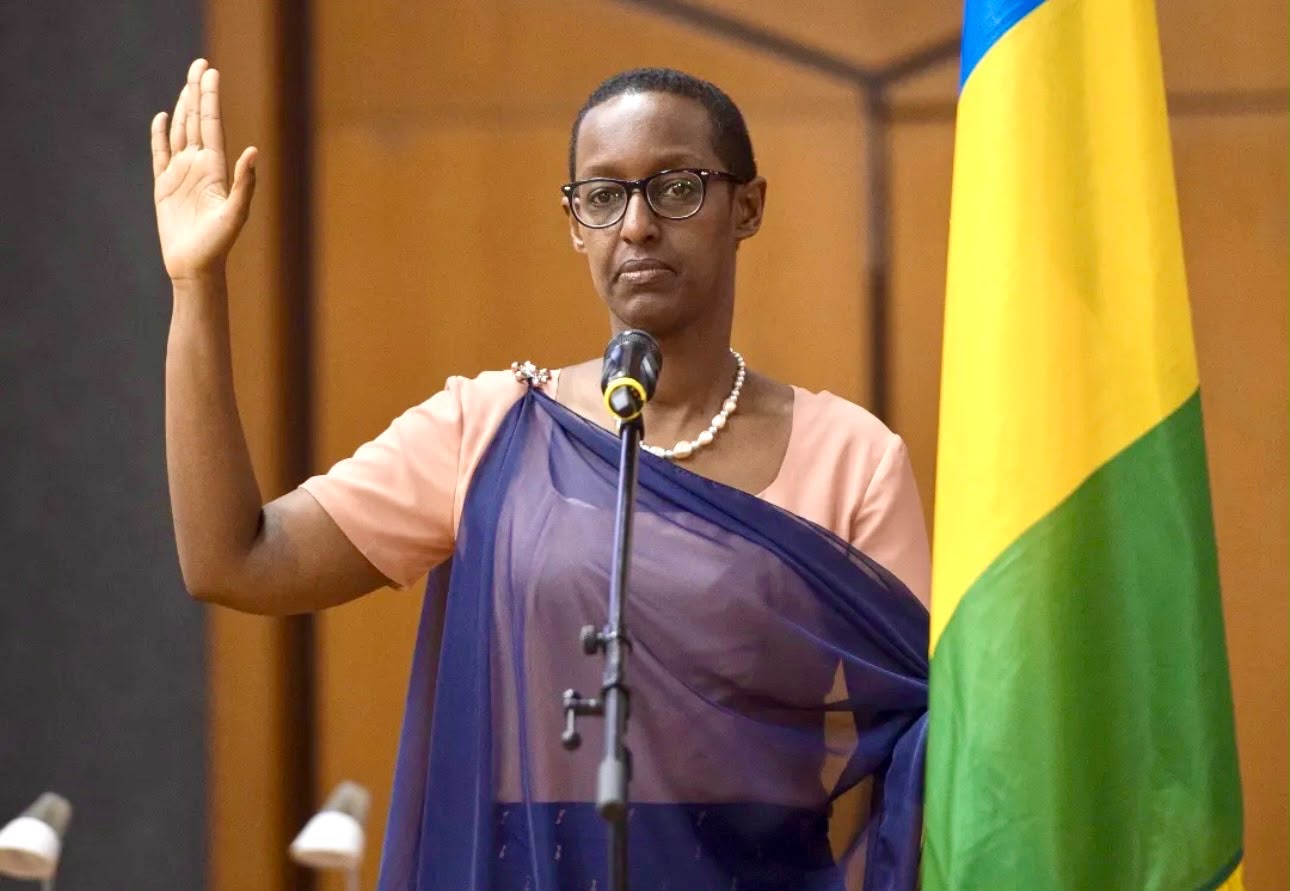
After the RPF won the war, a new tight circle formed. Critics now call it Agatsiko. It is the people who decide who gets contracts, who stays safe, and who is watched. Politicians like Ines Mpambara sit close to the center of daily power. Businessmen and generals who made their money under this system protect it. Some in the diaspora send money and information back and expect protection in return. The system works well for those inside it. Outside, many people still struggle with low wages, high costs, and fear of speaking freely.
Things are moving faster now because the United States has changed its tone.
Washington helped write the Washington Accords in 2025 and brought Kagame and the Congolese president together. The deal was supposed to stop the fighting in eastern Congo, open trade, and give American companies access to minerals. Rwanda promised to pull its forces out and stop supporting M23. Fighting continued. M23 kept ground. In March 2026 the United States sanctioned the Rwandan army. In October it sanctioned the Ministry of Defence and Zigama, the bank used by the security services. Market prices are rising day and night. The message is clear: American patience for the old way of doing business in the Great Lakes is thinner.
Washington’s new approach ties peace to minerals and trade. It wants a stable eastern Congo so cobalt, coltan, and gold can move through legal channels. It is willing to pressure both sides, but the pressure on Kigali has grown because Washington believes Rwandan troops and money are still helping M23. Aid and trade preferences are at risk.
Inside Rwanda the circle around Kagame faces a hard choice
He has been in charge for more than thirty years. He does not talk about stepping aside. Many who rose with him fear what happens if he leaves and what happens if he stays while outside pressure grows. They remember what happened to earlier networks when the ground shifted. Some may already be looking for ways to protect themselves if the storm gets worse. Others still believe he is the only one who can hold things together. There is a dilemma.
The story of Jonah in the Bible is simple
A storm hit the ship because of him. The sailors were afraid. Jonah told the captain to throw him into the sea so the rest of them could live. The storm stopped. In politics the same idea appears when a leader becomes the reason the ship is taking water. The people closest to him start to ask whether the country can survive with him still on board.
Signs are already visible
Sanctions on the army and its bank. Continued fighting in Congo after a signed peace deal. Quiet talk among business people about what contracts will look like under different rules. More questions from Rwandan activists and foreign partners about human rights and political space.
Rwandans should stay alert. Listen to different news sources and compare them. Do not spend money you cannot afford on rumors or sudden projects that promise quick returns. Those who serve in the security forces should remember that their duty is to protect people, not only to protect power. Respect for basic rights keeps the country calmer than fear does. Those who sit inside the current circle should think carefully. History shows that networks which put their own survival first usually leave ordinary citizens with the cost of the failure.
Perhaps dialogue involving Rwandans from all categories, could avert the catastrophe that might befall the country anytime, if Kagame continues to ignore the suffering of his fellow countrymen. This is not a prediction. It is an analysis of patterns that have repeated in Rwanda and of pressures that are now coming from outside and inside the country.
The end of any long rule looks different depending on whether those with power choose to loosen their grip or to hold tighter until something breaks any time. Rwandans have lived through both. Unfortunately their leaders learnt nothing.
Our Voice . Our Freedom