
The United Nations Security Council’s 1533 Sanctions Committee has amended the listing of the Alliance Fleuve Congo so that the Front pour la Refondation de la Nation (FRN) now appears as another name for the same group. The change, recorded on 11 November 2026 under reference SC/16506, updates entry CDe.010. AFC remains listed from 14 July 2026. Member states must now apply the existing measures, asset freezes and an arms embargo to any activity carried out under the FRN label.
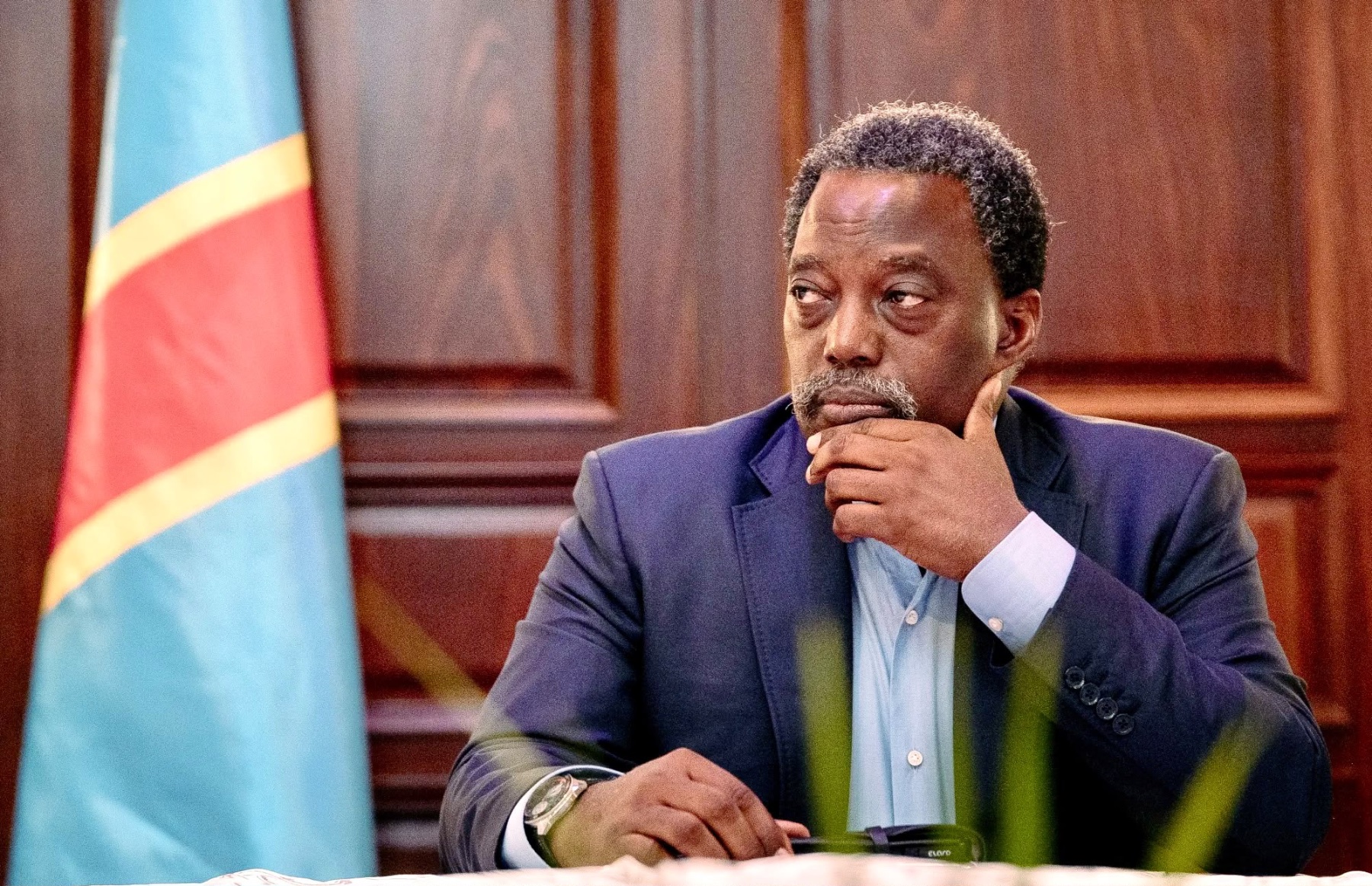
Joseph Kabila leads the FRN. Corneille Nangaa, already listed individually, and Sultani Makenga of the March 23 Movement (M23) continue to appear on the same sanctions list. Congolese Foreign Minister Thérèse Kayikwamba Wagner welcomed the update after Kinshasa formally requested it. She described AFC/M23 and FRN as one and the same. The amendment confirms what many in the region already observed: the new name does not create a separate organisation. The networks, the fighters and the political project remain unchanged.
The practical effect is immediate
Banks, suppliers and governments can no longer claim ignorance if they deal with structures calling themselves FRN. Assets that might have been moved or renamed after the October launch of the FRN in Goma now fall under the same restrictions that have applied to AFC since July. The arms embargo continues to cover weapons and related materiel destined for these forces. The Committee’s step also strengthens monitoring by the Group of Experts, whose mandate runs until 2027 under the broader DRC sanctions regime renewed earlier this year.
Eastern Democratic Republic of the Congo has lived with this conflict for years. Civilians in North and South Kivu face displacement, looting and the daily risk of crossfire. Parallel administrations and roadblocks extract resources while basic services collapse. The addition of FRN to the AFC entry does not end the fighting, but it removes one more excuse for external actors who have kept the war supplied.
Rwandan youths continue to be pulled across the border into these battles. Many leave home under pressure or with promises that rarely match the reality they meet in the hills of North Kivu. Their deaths and injuries serve no lasting interest of either country.
Peace in the east requires that these young men stay on their own side of the frontier and that all parties honour the ceasefire commitments already signed. The UN listing clarifies the identities of the groups involved. It does not replace the harder work of stopping the recruitment and the flow of fighters that keep the war alive.