
For more than two decades under Paul Kagame, Rwanda has built roads, clinics, and clean cities while keeping a tight grip on what people may say. Laws against divisionism, genocide denial, and spreading false information with hostile intent have been used to lock up journalists, opposition figures, and ordinary citizens who question official stories. Human rights groups document a pattern of arrests, long pretrial detention, and deaths that remain unexplained.
The result is a country where many Rwandans measure their words carefully, yet some continue to speak anyway.
Opposition leader Victoire Ingabire has spent years in this struggle. She returned in 2010 intending to run for president and was later imprisoned. An African court ruled that her conviction violated her right to freedom of speech. She was release in 2018 but barred from politics and travel.
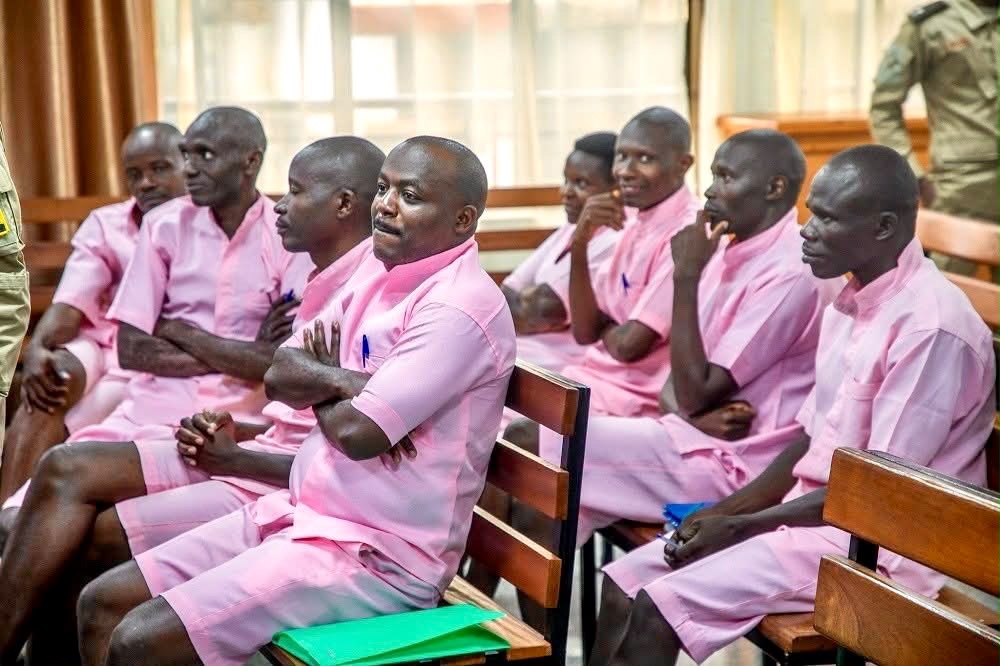
In June 2025 she was arrested again at her home in Kigali, without a warrant shown to her family, and charged in connection with her unregistered party. She remains in detention while the case proceeds. Members of that same party, including Sylvain Sibomana, Alexis Rucubanganya, Hamad Hagenimana, Jean-Claude Ndayishimiye, Marcel Nahimana, Emmanuel Masengesho, Alphonse Mutabazi, and Claudine Uwimana, have been held since 2021. They face charges linked to a workshop on nonviolent methods of dissent.
Journalists and online commentators have paid a high price
Dieudonné Niyonsenga, known as Cyuma Hassan, was sentenced to seven years for humiliating state officials after reporting on security abuses. He told a court he was held in a water-filled hole and beaten. Théoneste Nsengimana was arrested in 2021 while preparing to cover an event linked to Ingabire; he has remained in pretrial detention for years. Aimable Karasira, a former lecturer and YouTuber who questioned official narratives about the genocide and its aftermath, was sentenced to five years for inciting division. He died a suspicious death in May 2026 on the day he was due for release.
Other names appear in reports of disappearances and killings
John Williams Ntwali, editor of The Chronicles, died in January 2023 in what police called a motorcycle accident. Reporters Without Borders and dozens of organizations asked for a full independent inquiry that has not taken place. Poet Innocent Bahati vanished in 2021 and has not been seen again. Singer Kizito Mihigo died in custody in 2020.
Opposition figures Venant Abayisenga, Syldio Dusabumuremyi, Eugène Ndereyimana, Anselme Mutuyimana, and Boniface Twagirimana are listed among those who died or disappeared in suspicious circumstances since 2018. Earlier cases include the 2010 murder of journalist Jean Léonard Rugambage outside his home and the killing of Green Party vice-chairman André Rwisereka. Rwandan authorities have consistently rejected political motives and pointed to ordinary crime or accidents. Critics say the absence of transparent investigations leaves the questions open.
These cases are not the full count
The government argues that such measures protect national unity after the 1994 genocide and prevent the return of violence. International monitors counter that the same laws are applied selectively against peaceful criticism, that fair-trial standards are often ignored in sensitive cases, and that enforced disappearances and deaths in custody continue without accountability. Press-freedom rankings place Rwanda near the bottom of the continent, and Committee to Protect Journalists has repeatedly listed it among Africa’s leading jailers of journalists.
Rwandans who want the right to speak without fear are still testing the boundaries. Some record videos, others organize quietly, and many simply refuse to stay silent after friends or relatives disappear. The pattern of arrests and unexplained deaths has not erased that impulse. It has made the cost clearer.
Justice requires independent investigations into every suspicious death and disappearance, the immediate release of those held solely for peaceful expression or association, and the repeal of laws that criminalize ordinary criticism. Until those steps are taken, the demand remains simple and unfinished: free the imprisoned, account for the missing, and let Rwandans speak.
Our Voice . Our Freedom