
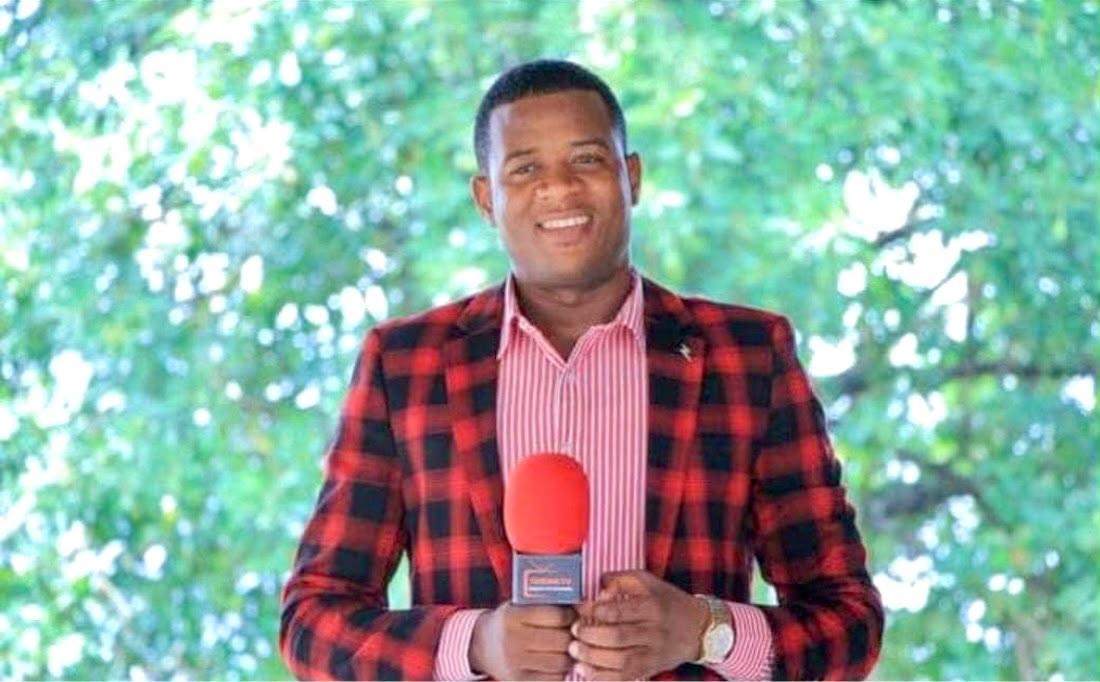
Cyuma Hassan Dieudonne never hid what he saw. On the day they buried the singer Kizito Mihigo, this journalist stood among the mourners and looked at the body. He later told the public what his eyes recorded: clear marks and injuries on the face that did not match the official story of a man who suspiciously lost his life in a police cell.
That report did not sit well with those who control the narrative in Rwanda. Weeks later, in April 2020, security forces stopped him while he was out covering the real impact of lockdown measures on ordinary people. They charged him with violating COVID rules, forging a press card, and practicing journalism without proper papers. The charges looked technical. They were designed to shut him up.
A lower court later acquitted him and set him free. Prosecutors appealed. In November 2021 a higher court reversed the decision, handed him seven years, and ordered him back to prison. The message was clear: independent voices who dig into uncomfortable facts will be broken.
Inside Mageragere Maximum Prison and the places that followed, the treatment turned brutal. Cyuma Hassan has described being kept in a dark hole that fills with water, beaten repeatedly, held under constant watch, and denied basic light and dignity. When he appeared in court in early 2024 he showed a wound on his head and spoke of damage to his hearing and sight. These are not the conditions of ordinary detention. They are the tools used when the goal is silencing a voice.
On behalf of Rwanda Freedom of Speech, we state plainly that Cyuma Hassan Dieudonne is not a criminal. He is a journalist who reported what he witnessed and refused to soften the truth. The charges used against him were fabricated to punish that refusal.
No free society locks up a man for describing the body he saw at a burial or for covering the struggles of people under lockdown.
We call for his immediate and unconditional release. The years already taken from him cannot be returned, but the rest of his sentence must end.
Let him walk free, recover his health, and continue the work of speaking without permission. Rwanda’s people deserve to hear the uncensored accounts their journalists risk everything to deliver.
Our Voice . Our Freedom.