
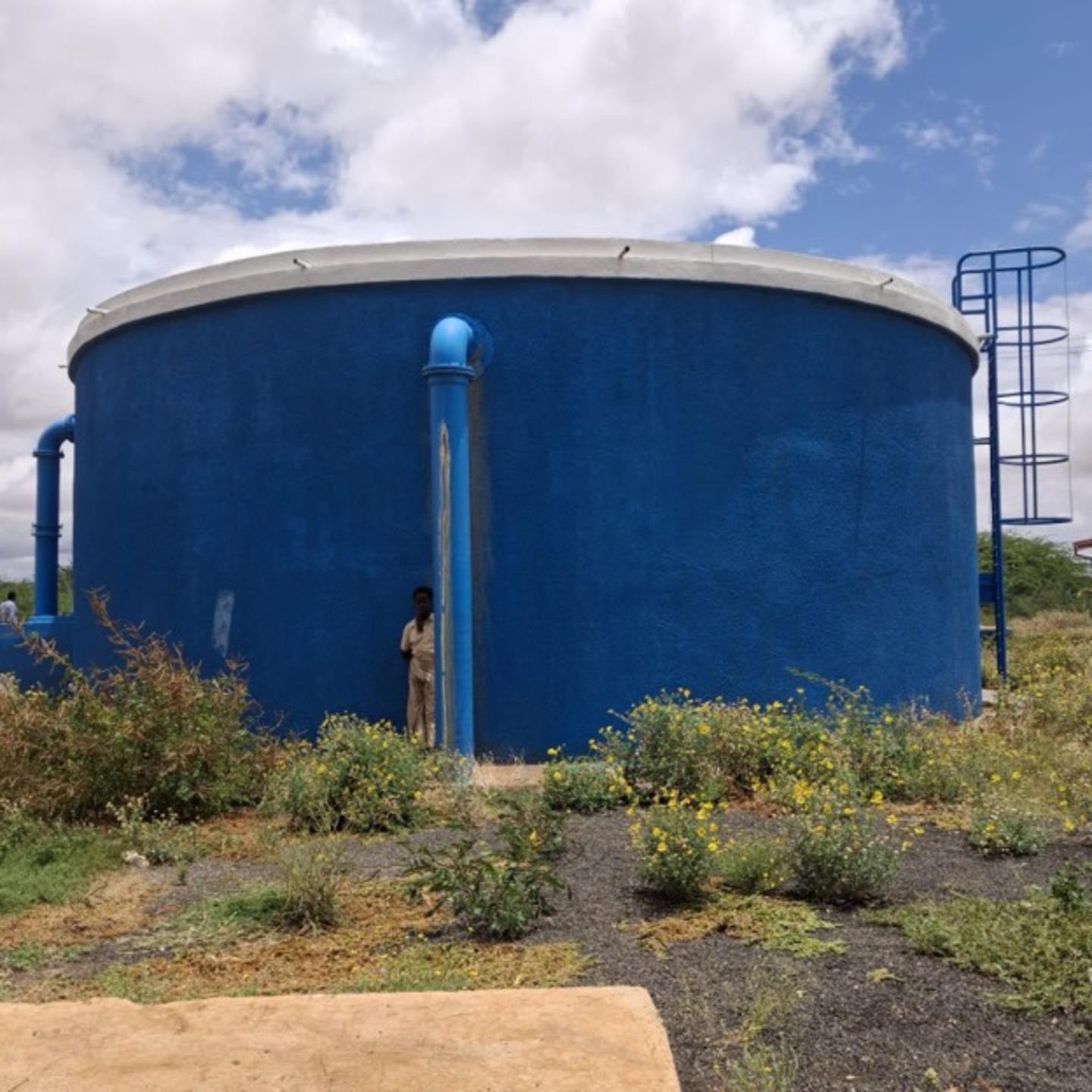
In Ethiopia’s Somali Region, new groundwater systems are delivering reliable water to more than 41,000 people after years of failed rains and long daily searches for water. The United Nations Development Programme, working with the Children’s Investment Fund Foundation and Ethiopian authorities, drilled 11 high-yield boreholes in 2026. Four of the systems are already running in Dhagahbour, Shinile and Waaji.
These systems now supply water to 41,112 people, seven schools that serve more than 7,000 students, three health facilities and more than 76,000 livestock. Several of the wells produced twice the expected flow, which allowed planners to expand the pipeline network and reach more households than first planned. Local and regional authorities contributed funding and coordination so the schemes can be maintained after the project ends.
The change is practical
Children spend less time walking for water and more time in class. Clinics can keep basic hygiene standards. Pastoral families can water their animals closer to home instead of relying on trucked supplies that stop when money or fuel runs out. The project aims to finish more systems by the end of 2026 and next year, building on the same model of local ownership.