

Ordinary Rwandans are living through a year of tight household budgets and external pressure at the same time. Prices for transport, fuel, housing and basic goods have stayed well above the central bank’s target for months, while most wages and informal incomes have not kept pace. The United States has also imposed successive sanctions on the defence ministry, senior officers and a major credit institution, citing support for armed groups in eastern Congo that broke the December 2025 Washington accords.
Those measures do not empty markets overnight, yet they raise the cost of foreign exchange, imported fuel and spare parts that feed into everyday prices.
The strain is visible in every bus park and market stall
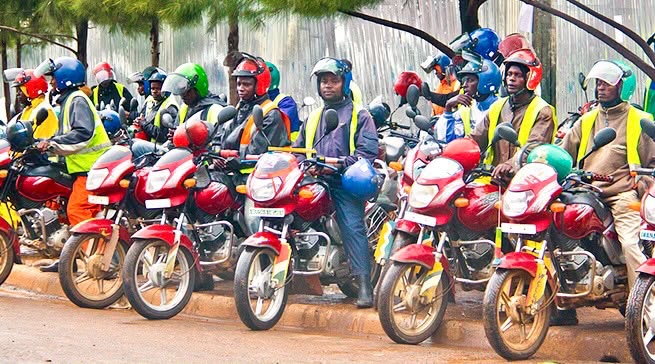
Transport costs have climbed by roughly a quarter year on year in recent months. Energy, utilities and housing have moved sharply higher after new fuel levies and other taxes. Food prices have been less extreme than the overall rate in some periods, yet any household buying maize, beans or cooking oil notices the gap when the monthly budget stays fixed. Unemployment remains more than 16 percent. Many young people move between short informal jobs that do not match the rise in costs. Rural areas still carry the largest share of remaining poverty even after years of measured decline. Growth figures look strong on paper, but the daily arithmetic for most families has grown harder.
What ordinary people can do starts with the household budget?
Track every franc spent on transport and cooking fuel so the rises stay clear instead of vague. Walk shorter distances, share rides or buy charcoal and food in smaller quantities closer to harvest periods. Growing a few vegetables or keeping poultry on a small plot cuts dependence on market prices. Informal savings groups (ibimina) still help cover school fees or medical costs when banks feel more distant.
Learning a practical skill, motorcycle repair, phone fixing, tailoring or basic construction, creates income that is harder for inflation or supply disruptions to erase. These steps do not reverse the pressure; they keep families from falling further behind while larger decisions remain outside their control.
The political side makes the situation tighter still
Independent reporting and public criticism have long faced limits. Ordinary people rarely discuss national policy in open settings for fear of being labelled a threat. This silence makes it harder for the government to hear early warnings about food shortages, joblessness or the real effect of sanctions on small traders. Critics who point to the costs of external military involvement or call for broader political opening are treated as risks rather than sources of useful information. Decisions on foreign policy and security continue with less internal debate than the economic consequences require.
What the government can do is open structured dialogue with a wider range of Rwandans, including those who question current policies. Listening to critics does not require abandoning security concerns. It allows the state to weigh the domestic costs of external actions more accurately and to adjust before more sanctions or deeper inflation hit ordinary budgets.
Without that conversation, families will keep stretching the same limited francs while the larger choices that created the present difficulties remain closed. The practical map for survival is already clear at the household level. The missing piece is whether the government will use the same direct approach with its own people.
Our Voice . Our Freedom