
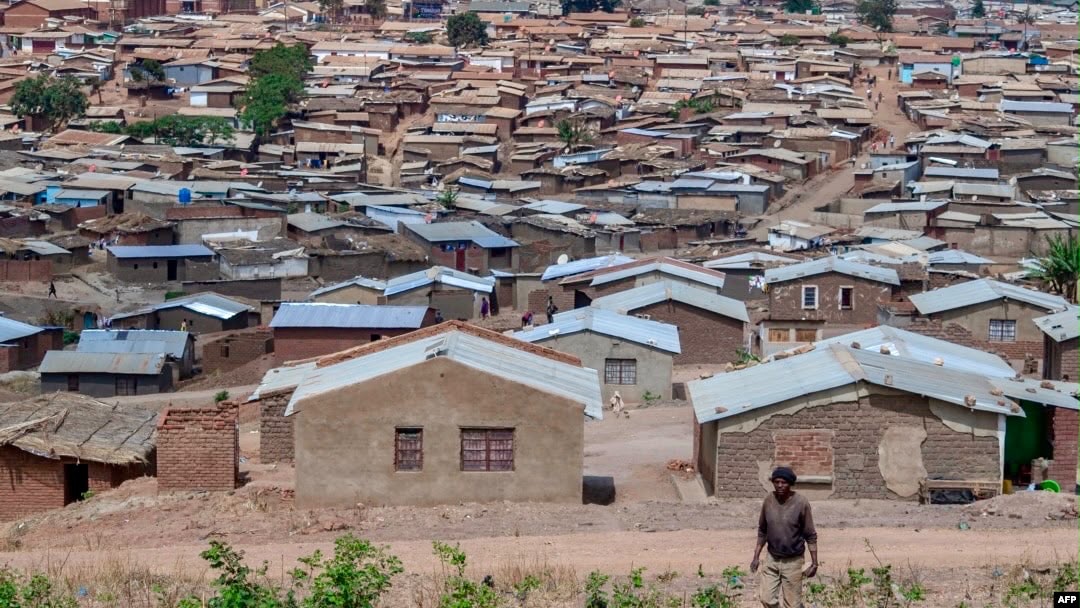
In the overcrowded Dzaleka refugee camp in Dowa district, thousands of Rwandan refugees who fled violence and political repression years ago now face hunger and uncertainty because international donors have cut funding. The camp was built for about 12,000 people but now holds more than 50,000 residents from Rwanda, the Democratic Republic of Congo, Burundi and other countries. Most rely on cash transfers from the World Food Programme that have dropped sharply in recent months.
One Rwandan woman who has lived in the camp for over a decade described how her monthly support fell from enough to buy basic food to amounts that barely last a week. She cannot walk properly after being shot in Rwanda in the 1990s and also manages diabetes and high blood pressure. With the reduced money she often goes to bed without a full meal, and her health keeps getting worse.
Community leaders say many other families face the same problem. Women have turned to selling themselves for food, children have left school, and some young people have started stealing or using drugs because there is nothing else to do.
Malawi’s laws still restrict refugees from working freely or leaving the camp without permission. When people try to find small jobs outside they risk arrest. At the same time the United Nations refugee agency has scaled back its staff and programs in the country after receiving only a small fraction of the money it needs. Clinics run short of medicine and several organisations that once offered training or protection services have closed.
Rwandan refugees in the camp and those living outside it also say they feel unsafe because of the activities of agents linked to the government of President Paul Kagame in the Southern African region. Community representatives have for years reported cases of surveillance, threats, abductions and unexplained killings of Rwandans in Malawi. Investigative reports have listed several deaths that refugees believe were carried out by people working for Rwandan intelligence, sometimes made to look like robberies.
Similar complaints have been made in neighbouring countries.
The refugees ask the government of Malawi and international bodies to investigate these claims properly and to give them real protection so they are not forced back to a place they fled.
A program that once helped some refugee children gain places in better schools and continue their studies has largely stopped. In past years organisations including the United Nations, Jesuit Refugee Service and local groups arranged scholarships for secondary and university studies, paid fees, and supported children who wanted to leave the limited camp schools. Funding cuts have ended most of those scholarships and reduced support for school materials.
Parents now say many children simply stay home because the family cannot afford even the small costs of the private schools that still operate inside the camp. Enrolment has dropped and the chance for young people to build a different future has become much smaller.
One refugee who spoke to RFOS said that the dilemma they are in has built more fear because in Rwanda persecution continues and in exile fear continues to mount especially these days after the killing of the Rwandan refugee in Uganda Sgt Major Robert Kabera and the theft of his head.
The combination of empty stomachs, closed doors and lingering fear leaves Rwandan refugees in Malawi with few options. They continue to call on donors, the Malawian authorities and the international community to restore basic food assistance, reopen educational pathways for their children, and ensure they are protected from outside interference while they remain in the country.
Our Voice . Our Freedom