

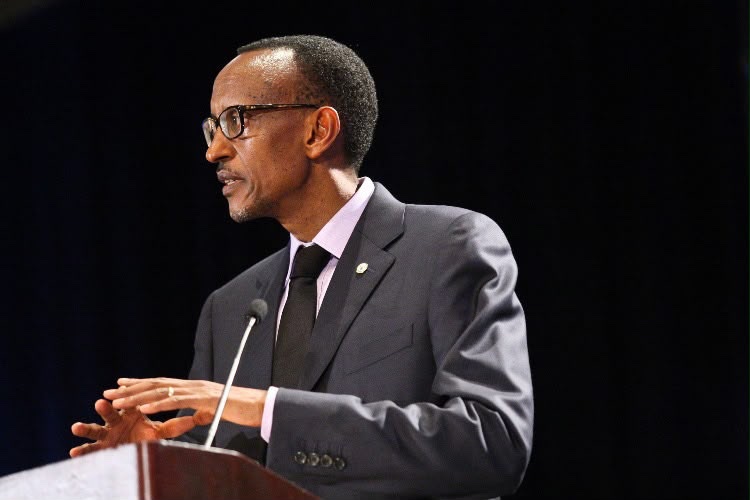
Washington placed Rwanda’s Ministry of Defence (MINADEF) and Zigama Credit and Savings Society (Zigama CSS) on its sanctions list on 28 October 2026. The move targets the entire ministry as an institution and the cooperative bank used by defence and police personnel and their families. Officials say both helped sustain the M23 rebellion in eastern Congo after President Kagame signed the Washington Accords in December 2025.
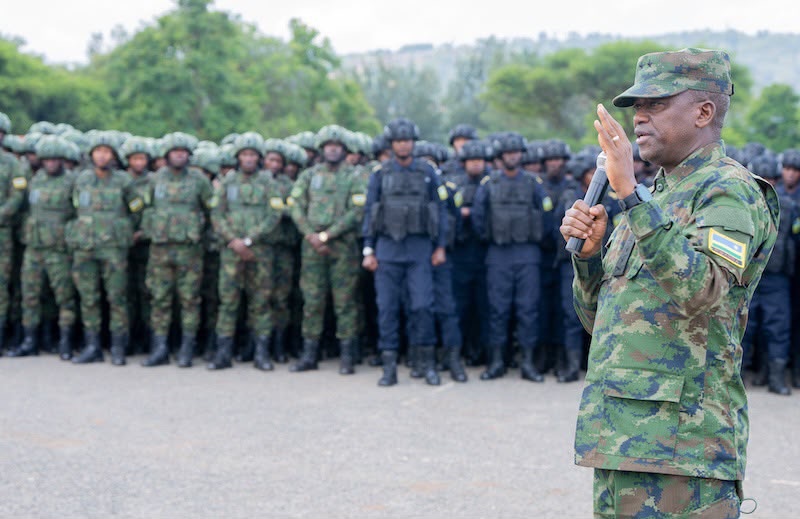
Those accords required Kagame to stop supporting M23 and withdraw his troops from North and South Kivu. According to the US Treasury the ministry directed the Rwanda Defence Force to keep thousands of soldiers inside Congo, fighting alongside M23 and supplying them with weapons, logistics and training. Surface-to air missiles and jamming equipment were also introduced.
Zigama is accused of moving money for weapons purchases from China and elsewhere, funding training trips, handling tens of millions in transactions linked to M23 and its political wing, and helping transport gold taken from M23 controlled mines into Kigali.
Sanctioning the Ministry of Defence as an institution means the whole structure is now blocked under US rules. Any property or financial interests belonging to the ministry that sit in the United States or under American control are frozen. Americans cannot do business with it. Entities owned fifty percent or more by the ministry are also blocked. Foreign banks and companies that deal with it in significant ways risk being cut off themselves because they do not want to lose access to the dollar system.
In practice almost every international transaction linked to defence becomes harder and more expensive. Spare parts, fuel, equipment and routine logistics require work arounds. Intermediaries charge more. Some suppliers simply refuse. The ministry still has to keep soldiers and police operational so the extra cost either comes out of the national budget or gets pushed into the wider economy through higher prices for shared goods like fuel and transport.
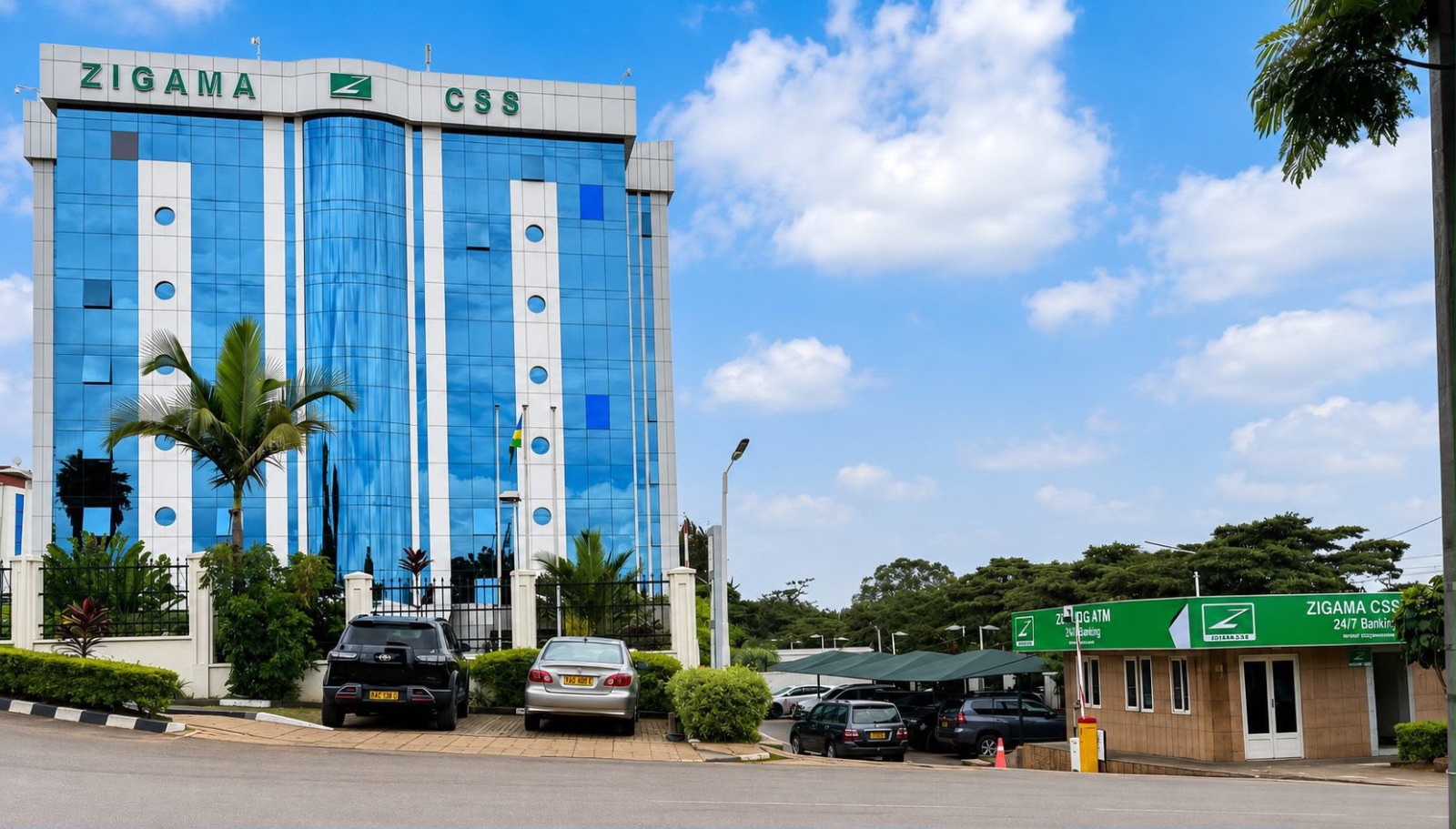
Things will keep getting harder because the pressure does not lift on its own. Earlier sanctions this year already targeted the army and mineral networks. Adding the ministry itself and the bank that serves defence and police members raises the cost of running the security apparatus. International partners become more cautious. Foreign exchange becomes tighter. When the government has to spend more to achieve the same military tasks less remains for everything else or the difference is financed in ways that raise prices.
Rwanda already faces elevated inflation
Food, transport, housing and energy costs have been rising sharply for months. Further disruption to imports and confidence makes those increases stick longer and hit harder. A loaf of bread, a litre of fuel or a trip to the market costs more for the same wage. Families feel it in the daily basket while the state continues to prioritise the policies that triggered the sanctions.
Soldiers and policemen who rely on Zigama for salaries or savings face the most immediate risk of irregular payments. Families who depend on those deposits for school fees, medical bills or basic goods will feel it first. Ordinary citizens who have no connection to the military still pay through higher living costs. Meanwhile the politicians who sit in parliament and the upper ranks who were supposed to restrain the president continue to draw regular salaries from the public purse. Taxpayers still fund the same salaries and privileges while the security forces that execute the policy absorb the disruption.
None of this was inevitable
Years of warnings from Rwandans inside and outside the country about the costs of the Congo adventure went unheeded. Generals and the leadership chose to keep troops and support networks in place rather than honour the commitments made in Washington. Had they listened to the voices saying the country could not afford endless external adventures while people at home still struggled the sanctions could have been avoided. The decision was made at the top. The bill is being presented lower down.
Anyone with an account at Zigama should treat the situation as urgent.
Assets connected to the bank that sit under US jurisdiction are blocked. International transfers, card payments or dealings that touch the US financial system can freeze or fail. Move essential funds to another local institution if you can do so safely and quickly. Keep records of every transaction. Do not assume the bank can continue normal foreign operations. Talk to family members who also bank there so no one is caught off guard when a payment does not arrive.
The parliament that was meant to check executive power has remained silent through successive rounds of sanctions this year. Members who take their pay from taxpayers while refusing to demand accountability for policies that now threaten soldiers’ livelihoods and push inflation higher should feel the weight of that failure.
Rwandans have every reason to ask why the same people who benefit from stability keep authorising choices that undermine it. Citizens have the right to demand clear answers from those in office. Ask parliament why it has not demanded accountability for repeated violations of the commitments signed in Washington.
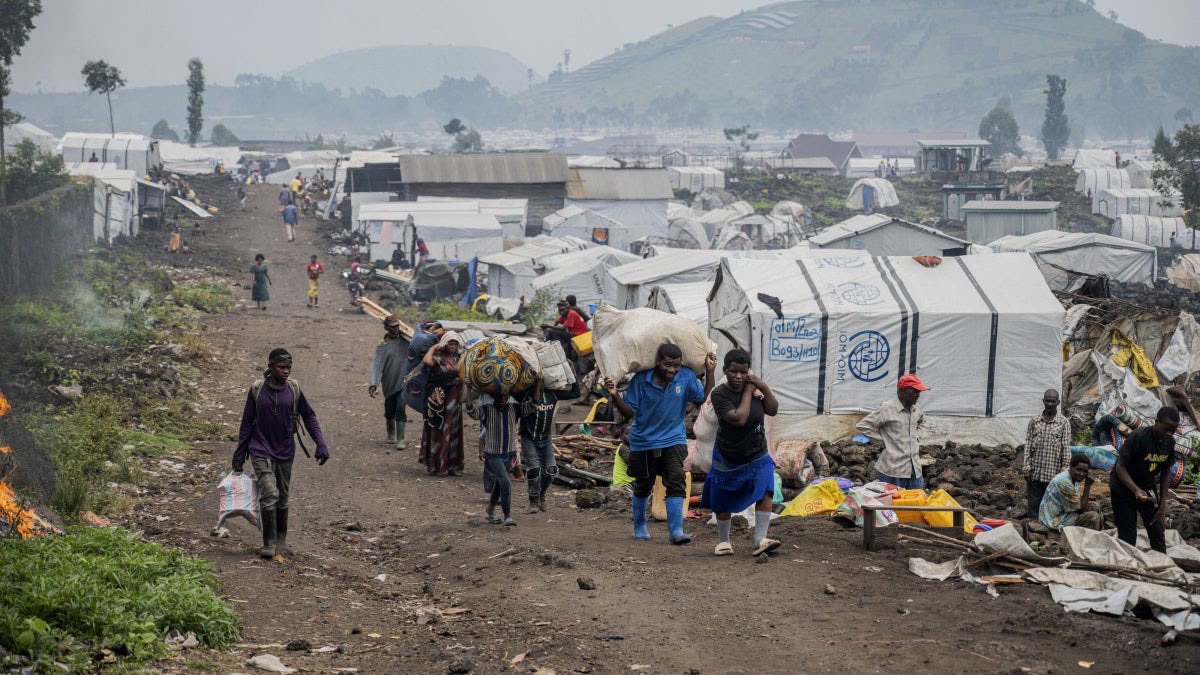
Ask why the costs of these choices fall on households and lower ranks while senior officials remain insulated. Peaceful questions, organised calls for transparency on spending and policy, and insistence that elected representatives do their job are the basic tools available.
Leaders who ignore those demands while the economy tightens further only increase the pressure on the people they claim to serve. Holding them to account is not optional. It is how a country protects itself from decisions made without regard for the consequences at home.
Our Voice. Our Freedom