

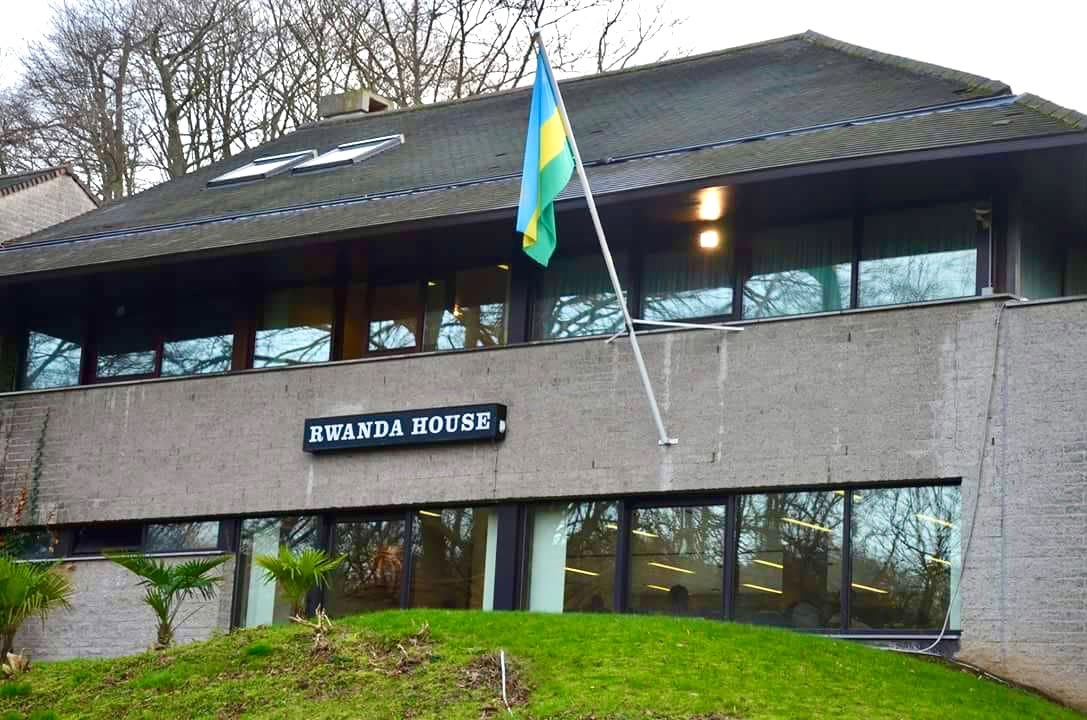
According to Kagame’s critics who live in Belgium and who spoke with the Rwanda Freedom of Speech, they are living with fear after the recent announcement of preparations for the reopening of the Rwandan Embassy in Brussels. The news that relations between Kigali and Brussels have been restored, with plans to reopen the missions in the near future, has brought back old anxieties among those who have long opposed the regime. For many in the diaspora, the embassy has never been just a place for passports and visas. It has served as a base for monitoring, pressure, and coordination against voices that refuse to stay silent.
The timing has made the worry sharper. Since the beheading of Sgt Maj Robert Kabera in Uganda earlier this month, information circulating among critics suggests that the Kagame regime has deployed more assassins in every state where its opponents live. Kabera, a former soldier who became a musician and outspoken YouTuber, was found without his head near Kampala. His family and supporters see the killing as another warning, not an isolated crime. Those who spoke to RFOS say the pattern is clear.
Critics in Europe, Africa, and beyond are being tracked more aggressively, and the reopening of the Brussels embassy is viewed as the return of a command post that can direct operations across the continent.
Their protection must be maintained
Belgian authorities and European partners have a duty to keep existing safeguards in place and to strengthen them. Past cases show what happens when pressure is relaxed. In recent years, critics have faced surveillance, intimidation, physical attacks, and worse. Patrick Karegeya was strangled in a South African hotel room in 2014. Investigations by journalists have documented networks linked to Rwandan diplomatic missions that monitored diaspora members in Belgium, sometimes using local “intervention” groups to disrupt meetings or threaten people. Electronic tools have also been used.
The result has been a climate where people change their routines, limit their public appearances, and live with constant caution. The same methods are now expected to return once the embassy is fully operational again.
Critics say the embassy would be used once more for coordinating these activities. Staff under diplomatic cover, intelligence officers in civilian clothes, and local networks have previously reported back to Kigali while carrying out surveillance and pressure campaigns. With the mission reopening under a chargé d’affaires before a full ambassador arrives, the structure is expected to be rebuilt quickly.
Belgium hosts one of the largest Rwandan communities in Europe, which makes the post strategically important for anyone seeking to control or silence dissent abroad.
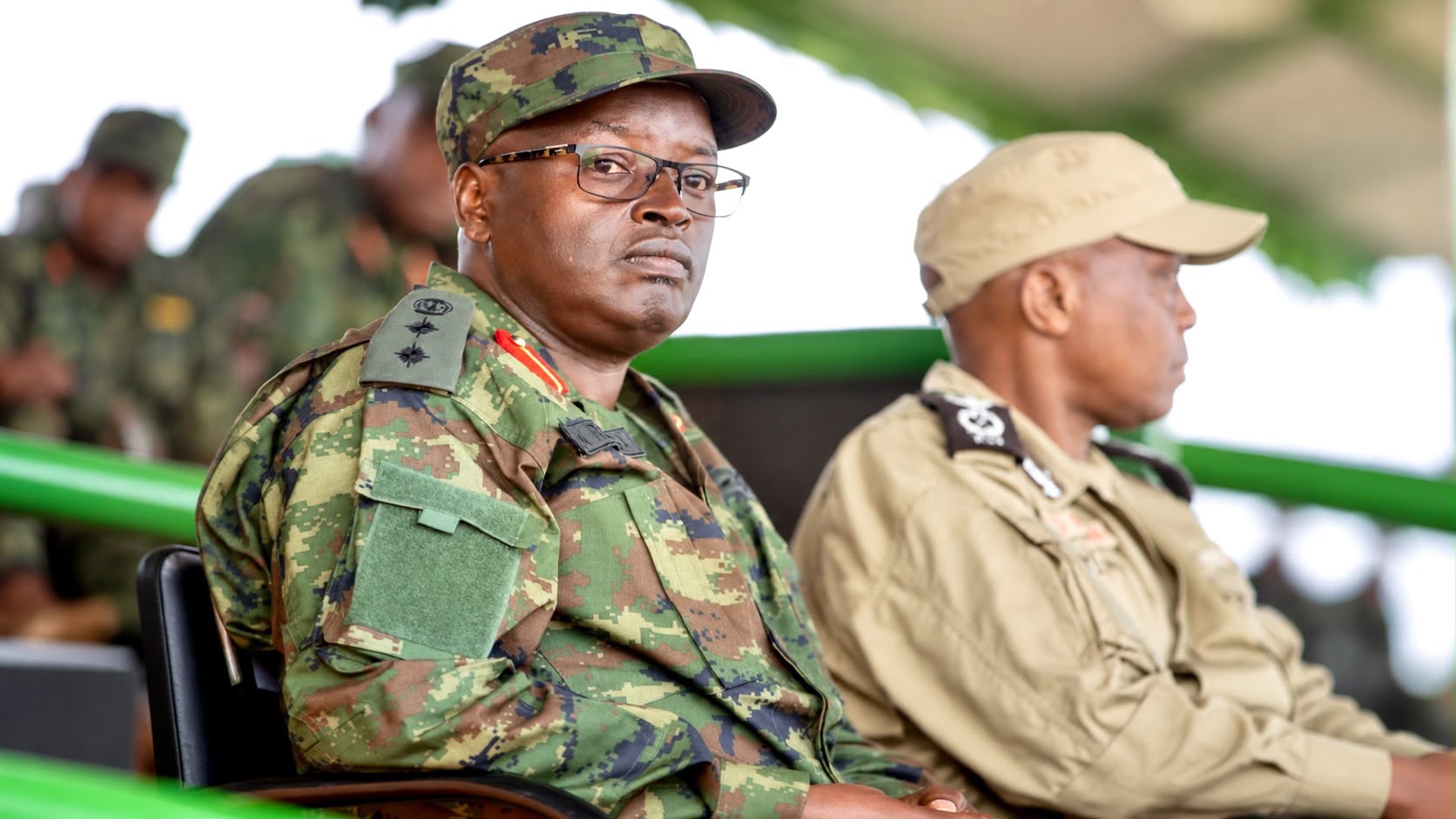
The appointment of Colonel Jannot Ruhunga as Ambassador to Poland has added to the unease. Ruhunga is no ordinary diplomat. He previously served as Commissioner of Intelligence in the Rwanda National Police and later as the first Secretary General of the Rwanda Investigation Bureau from 2018 until early 2025. During his years in crime intelligence and at the head of RIB, numerous people disappeared or faced fabricated charges that destroyed their lives. Kizito Mihigo, the gospel singer, was rearrested by RIB on claims of trying to flee and join hostile groups, then found dead in a police cell days later. His office called it suicide. Many critics never accepted that account.
Karasira Aimable, a lecturer and YouTuber who questioned official narratives, was arrested in 2021 under charges that included divisionism. He remained in prison for years, was convicted on limited counts, and died in 2026 on the very day he was due for release, with authorities citing an overdose. Others vanished or faced similar constructed cases while Ruhunga held senior intelligence and investigative roles. His background in military intelligence and police work gives him the contacts and methods needed to operate beyond normal diplomacy.
From his post in Poland, Ruhunga can easily conduct or direct any operation. Poland sits in the heart of Europe, with open borders and established Rwandan diplomatic presence. A former intelligence chief in an ambassadorial role has both the cover of official status and the personal networks built over years of security work. The distance does not limit his reach when the tools of surveillance, local collaborators, and coordination through other missions remain available.
Kagame’s critics in Belgium are urged to stay vigilant. Anyone who notices suspicious activities, unusual interest in their movements, or attempts at contact from unknown people should report them immediately to the relevant Belgian authorities. Unnecessary private meetings or contacts with individuals whose loyalties are unclear should be avoided. Social interactions are safer in public spaces where there are witnesses and cameras. Changing routines, limiting the sharing of personal schedules, and keeping trusted friends informed of plans can reduce exposure.
The fear is real, and the history of how embassies and intelligence officers have been used in the past gives little reason for complacency. Protection depends on both official measures and the caution of those who have already paid a high price for speaking out.
Our Voice. Our Freedom.