

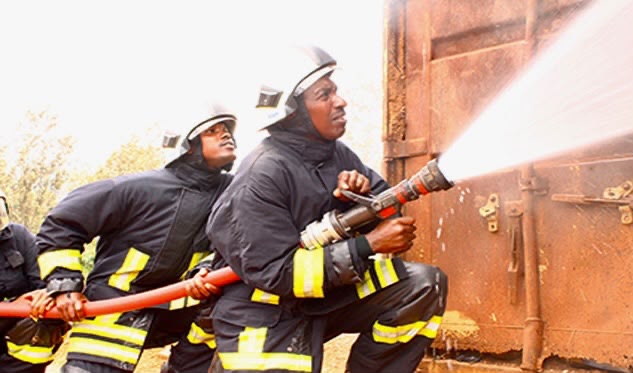
Two major fires have destroyed ordinary businesses in recent weeks, leaving traders with empty hands and unanswered questions while authorities offer little real help.
On 10 October 2026 fire gutted most of GOICO Plaza in Musanze, used by about 2,000 traders. Goods worth roughly 30 billion Rwandan francs were lost. The Rwanda National Police Fire and Rescue Brigade arrived late, water shortages, blocked access and hours of delay left the upper floors in ashes. Weeks later no clear cause has been named and no suspect identified. Temporary stalls were mentioned, but most small traders received no meaningful support to restart. They still face loans and empty shelves.
On 25 October 2026 fire hit Gisozi Agakiriro in Kigali in the early hours, the eighth blaze there since 2017. Workshops and stock were damaged. Police responded after the fire had already spread. The cause remains unknown and no one has been held responsible. Traders who lost everything ask the same questions that followed earlier fires: Why does the police fire brigade always come late? Why are no lessons learned from the previous incidents at the same sites? Why is there never a clear explanation of the real cause? Why has no suspect ever been identified?
These questions remain because the fire brigade fails to intervene on time and the Rwanda Investigation Bureau fails to produce transparent results. The repeated pattern of late response, unfinished inquiries and silence after the ashes creates confusion that authorities never resolve. That failure is why many ordinary citizens believe an arm of the government is behind the burnings.
After every loss, real support for those who lost everything does not arrive. Traders are left poorer, dependent and unprotected while the same sites keep burning.
City authorities have previously pushed traders toward relocation sites such as Masoro that many describe as too costly and poorly compensated. Repeated burning at the same location raises the practical question of who benefits when ordinary workshops keep disappearing. 
These are not isolated accidents.
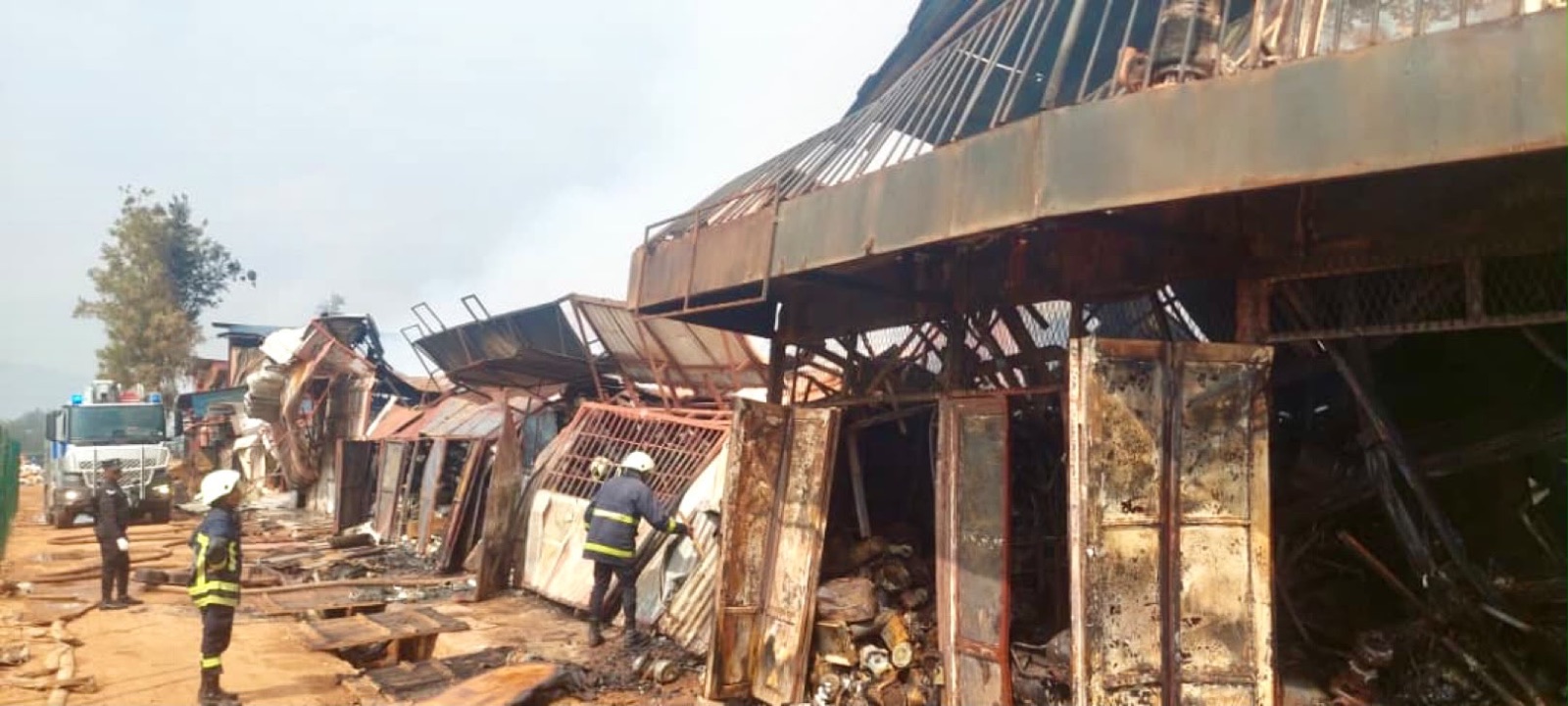
Small traders across the country keep their capital in stock rather than banks because margins are thin and formal credit is expensive. When fire destroys that stock the debt stays. Insurance remains out of reach for most.
Citizens have every reason to treat the repeated, unexplained fires as suspicious until transparent, independent reports appear. Delayed clear causes, limited public updates and the economic wipe out of uninsured small businesses create space for the view that such events weaken private traders and keep them dependent. Whether the root is negligence, poor infrastructure or something more deliberate, the result is the same: ordinary people lose everything while accountability stays thin.
We advise the citizens to protect themselves by installing extinguishers, documenting stock, recording response times and demanding written police and RIB reports the same day. Without faster fire brigade action, completed investigations and actual recovery help, the losses will continue.