

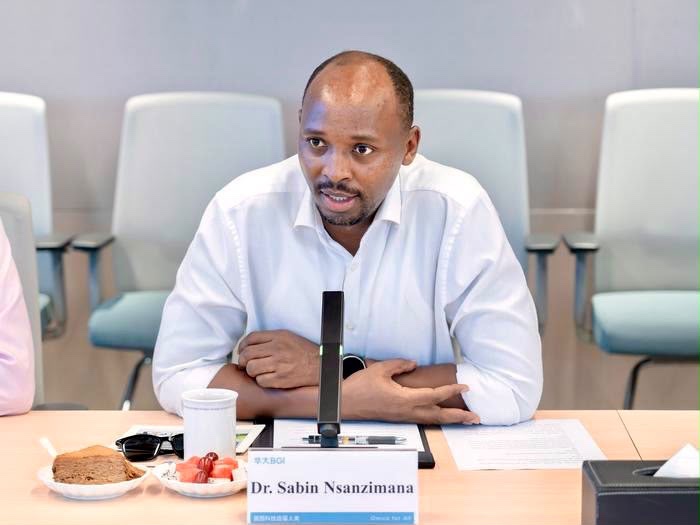
The Ministry of Health sets policies, regulates facilities, monitors performance, develops the workforce, manages financing, and oversees bodies such as the Rwanda Biomedical Centre, teaching and referral hospitals, the Food and Drugs Authority, and public health posts. Its stated job is to deliver usable care to ordinary people.
Sabin Nsanzimana has held the post since late 2022. He is competent on paper and in practice on technical matters. He came out of the national HIV programme, later ran the Biomedical Centre, headed a teaching hospital, holds a doctorate in epidemiology, and played a visible role in the COVID response and the 2024 Marburg outbreak. International partners and some rankings have noted the continued drop in maternal and child mortality and the expansion of a few advanced procedures inside the country. He can talk fluently about workforce targets, digital tools, and partnerships.
Those who closely follow his day to day activities, told RFOS that what the public was expecting from him, is not what he delivers. What he has not done at the same pace is fix the daily conditions that keep public hospitals short of staff and patients waiting. They said that specialists still leave at high rates because public pay and working hours remain uncompetitive. Long lists for surgery and specialist consultations persist at the main referral hospitals. Some health posts stay idle or open only a few days a week. Staff who stay often work sixty hours a week with limited incentives and little room to complain openly. Those gaps have been documented for years.
One practical difference stands out when the health sector is set next to the army and police. Members of the Rwanda Defence Force, National Police, and Correctional Service, along with their families, can buy goods through the Armed Forces Shop at tax and duty free rates. No equivalent retention package exists for doctors, nurses, or midwives. In a system whose top priority is political control and security, resources and political attention flow first to the institutions that guarantee order.
A health minister who is technically able still operates inside that hierarchy. Raising staff pay, creating strong non financial benefits, or allowing open internal criticism risks looking secondary when security institutions already hold preferential treatment and the broader climate discourages public complaint. The result is that competent technical work continues while the ordinary experience in district hospitals and referral queues changes slowly.
Hospital employees feel the pressure directly

Low pay, heavy loads, and the knowledge that open criticism can bring job loss or legal trouble keep most quiet. Patients absorb the same silence: long waits, stock outs, and advice to try a private clinic if they can afford it. Laws against spreading “false information” or related offences have been used against people who criticise public services, so many simply stop speaking. The cost is delayed care and staff who leave rather than push for change.
A practical step that would match the security forces’ treatment would be a comparable package for health workers competitive salaries, housing support, or a dedicated supply channel free of the ordinary tax burden, so that staying in a public hospital becomes a realistic choice. Clear channels for staff and patients to report problems without fear would also reduce turnover and late arrivals.
People who receive poor service can still note the facts, raise them through whatever routes remain open, and keep pressing that the ministry’s actual results match the duties it claims. Technical competence is visible; sustained improvement for ordinary patients and staff still depends on whether the system allows that competence to address the everyday gaps.
Our Voice. Our Freedom