
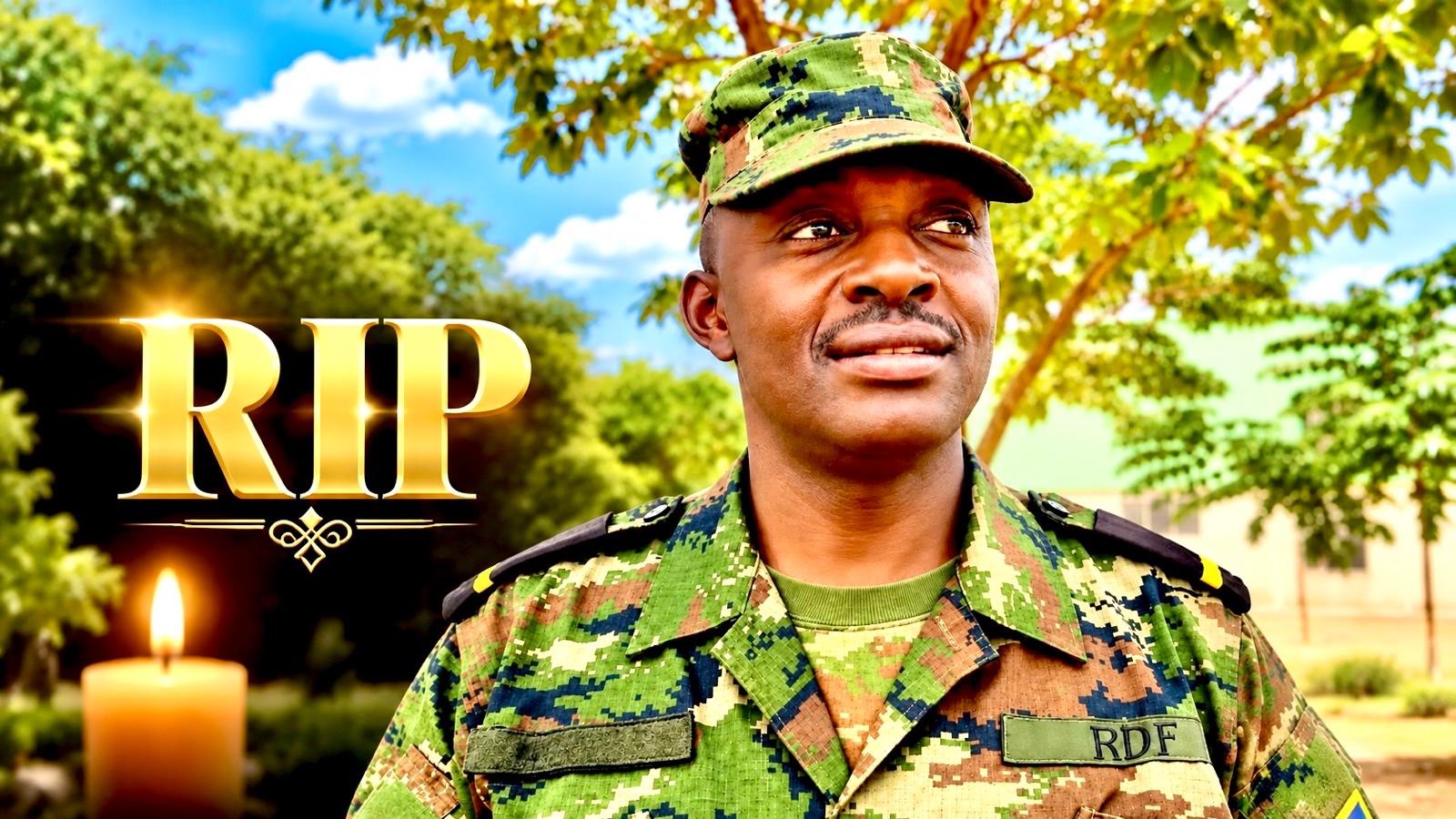
Critics of Rwanda’s leadership have long described a climate of fear that follows them even after they leave the country. Robert Kabera, a former army sergeant major who later gained a large audience as a YouTube critic and singer, was found dead and beheaded in Uganda’s Mpigi district in mid October 2026. He had gone to check a construction site. His head was not recovered.
Ugandan police confirmed the killing and opened an investigation, yet no suspects had been named in early reports. Kabera left Rwanda in 2020 after charges he called a political witch hunt and publicly said he feared for his life while speaking against President Paul Kagame’s government.
His death fits a pattern recorded by organizations such as Human Rights Watch and Freedom House. Rwandan opposition figures, former members of the security organs, journalists and online critics living abroad have been killed, attacked, or disappeared in Uganda, Mozambique, South Africa, Kenya, and elsewhere. Host country police have repeatedly struggled to name those responsible.
Another name that has appeared in similar incidents is Seleman Massiah (sometimes spelled Seleman Masiya), a Rwandan who lived in Nampula, Mozambique. Older accounts linked him to criticism of the government before his reported death.
Accounts of these incidents often describe steps that mislead people before, during and after violence. The victim gets unexpected visits or messages from people who claim to be acquaintances, community helpers, or officials handling routine matters. Others say they were drawn to quiet places under everyday pretexts such as work, repairs, or favors. After an attack, attention can shift toward local crime, personal disputes, or unrelated violence while key details stay unclear.
Days after Kabera’s headless body was discovered, President Kagame held a large “Meet the President” gathering at BK Arena in Kigali on 21 October 2026. More than 10,000 young people attended, many of them ruling-party influencers, youth volunteers, musicians, actors, and social media figures. The event filled news cycles with talk of youth development, discipline and national progress.
Journalists and outlets that might otherwise have kept pressing questions about the killing of the singer Sgt Major Robert and critic largely shifted their coverage to the arena meeting. For observers of diversion tactics, the timing looked like a classic move: flood the public space with a controlled, positive spectacle so the grim story of an exiled critic’s death loses airtime and public attention.
Under a freedom of speech perspective, the practical point is awareness rather than speculation about exact methods in any one case. People who speak critically can reduce exposure by refusing to meet strangers, their normal contacts or little-known contacts alone, especially in isolated spots or at night. They can check the identity and real purpose of anyone who approaches them about work, community issues, or favors before opening a door or going with them.
Trusted contacts should know their movements. Those who have already received threats or noticed unusual attention can change routines, limit public information about where they sleep or work, and report concerns to local police or independent human rights groups. Documenting threats, when it is safe, helps create a record.
Inside Rwanda, critics face arrest, abductions, long detention before trial, and charges such as “spreading false information” that international monitors say chill speech. Outside the country the risks have included physical attacks. Both settings have pushed many people toward self censorship. The number of unresolved cases has left many Rwandans in exile cautious.
Anyone under immediate threat should contact local authorities and independent organizations that track these issues. General habits and clear reporting matter more than guessing precise techniques. The aim is to shrink openings for harm while investigations, including the one into Kabera’s killing, continue.
Countries that host Rwandan asylum seekers and the international organisations that monitor refugee protection should treat the repeated targeting of exiled critics as a concrete security problem. They need to give those individuals faster case reviews, practical protection measures, and clear channels to report threats. Delays and weak follow-up leave people exposed. Swift action on their concerns is the minimum required to stop the pattern of unresolved killings from continuing.
Our Voice. Our Freedom.