

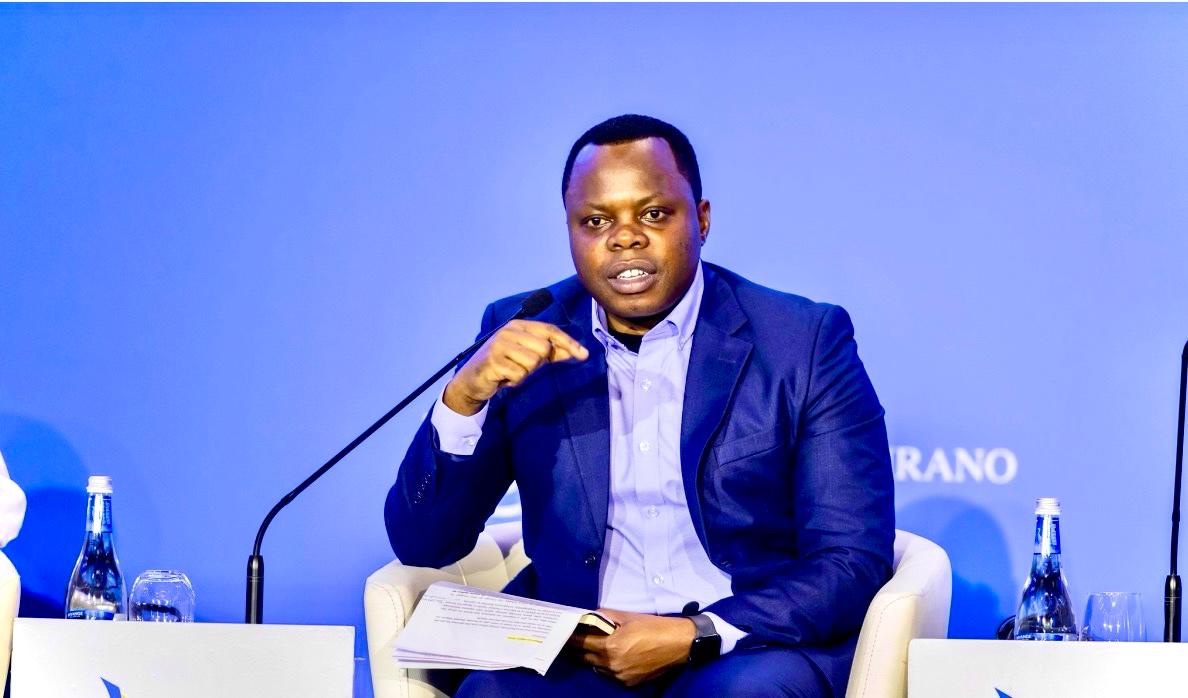
Dr Jean Nepo Abdallah Utumatwishima has been Minister of Youth and Arts since March 2023. Sandrine Umutoni has been Minister of State beside him since August that year. The title sounds big. The delivery does not match it. On a stage in Kigali the ministry can announce a plan, a fund, a council, a policy. Out in the districts, young people are still waiting for the job, the training place, or the equipment that was supposed to follow the speech.
The numbers have not moved with the slogans. Official labour figures put youth unemployment above the adult rate. Barely half of people aged 16 to 30 hold any job. More than 928,000 young Rwandans are not in work, not in school and not in training. That is nearly a quarter of the age group. Against that, the ministry points to YouthConnekt, Aguka, Hanga Pitchfest and a five year youth plan priced at about Rwf 49 billion. Some of these exist as events and small windows. Most young people outside the capital have never touched them.
The arts file shows the same gap
After the old artists’ union, RSAU, was shut for mismanagement, artists were told a government backed Rwanda Arts Council would replace it. Utumatwishima said a national arts policy was far along and expected by May 2026. He also sold a Bank of Kigali scheme, Be Creative, as project loans with no collateral. A pitch contest that has moved a few hundred million francs since 2021 is not a system. Musicians, dancers, filmmakers and designers are still paying for their own studio time, hiring their own speakers and losing gigs because nobody enforces pay or copyright. The ministry counts the launch. It does not count the year after, when the graduate is back to odd jobs.
Utumatwishima is a medical doctor. He was appointed by the president, the same way almost every minister in Kigali is appointed. That is the weakness in the post. Youth employment money sits with finance, labour, local government and donors. Arts money is thin and often tied to a partner’s logo. The ministry can urge young people to speak better Kinyarwanda, avoid illicit alcohol, or rethink what they wear. It cannot, on its own, create jobs for 928,000 who are sitting idle. People in Kigali already know this pattern. Some portfolios are filled, photographed and left with little real authority. Youth and arts is one of them.
Parliament has not closed the gap
Ministers appear, read answers and leave. The ruling party and its allies hold the numbers, so a committee hearing rarely ends in a lost job over missed youth targets. Waiting for the chamber to police this ministry is a waste of time.
Those who spoke to Rwanda Freedom of Speech described a ministry that is easy to find at a summit and hard to find when a promise is due. One young musician said he had attended two ministry meetings and left both with a contact and no contract. A woman running a small design stall in a secondary town said Aguka was mentioned every time officials visited, then never reached her sector. Another said Be Creative was explained on the radio as a loan without collateral, and at the bank it still asked for a salaried guarantor. None of them claimed the minister had stolen from them. They said the speeches travel further than the money, and that artists who stalled did not all fail for lack of talent. They trained, put work out, and hit the same wall: no equipment fund, no venue that paid, no contract anyone enforced.
Young people can still keep a record and a record is harder to dodge than one angry post. Write down the promise, the date, the place and the person who made it. If the arts policy was due in May 2026, ask in public where the text is. If Be Creative was meant to lend without collateral, ask how many artists got money, in which districts and on what terms. Use district youth councils, sector meetings and the ministry’s own plans.
Compare those plans with the labour survey, not with the summit brochure. So do outlets willing to print the gap between the stage and the district. Same question, every forum. How many of the 928,000 moved into a real job or a real training place this quarter. How much of the Rwf 49 billion left Kigali. How many artists received the loan that was announced. Until those answers are public and checkable, the microphone is just another promise.
Our Voice. Our Freedom