

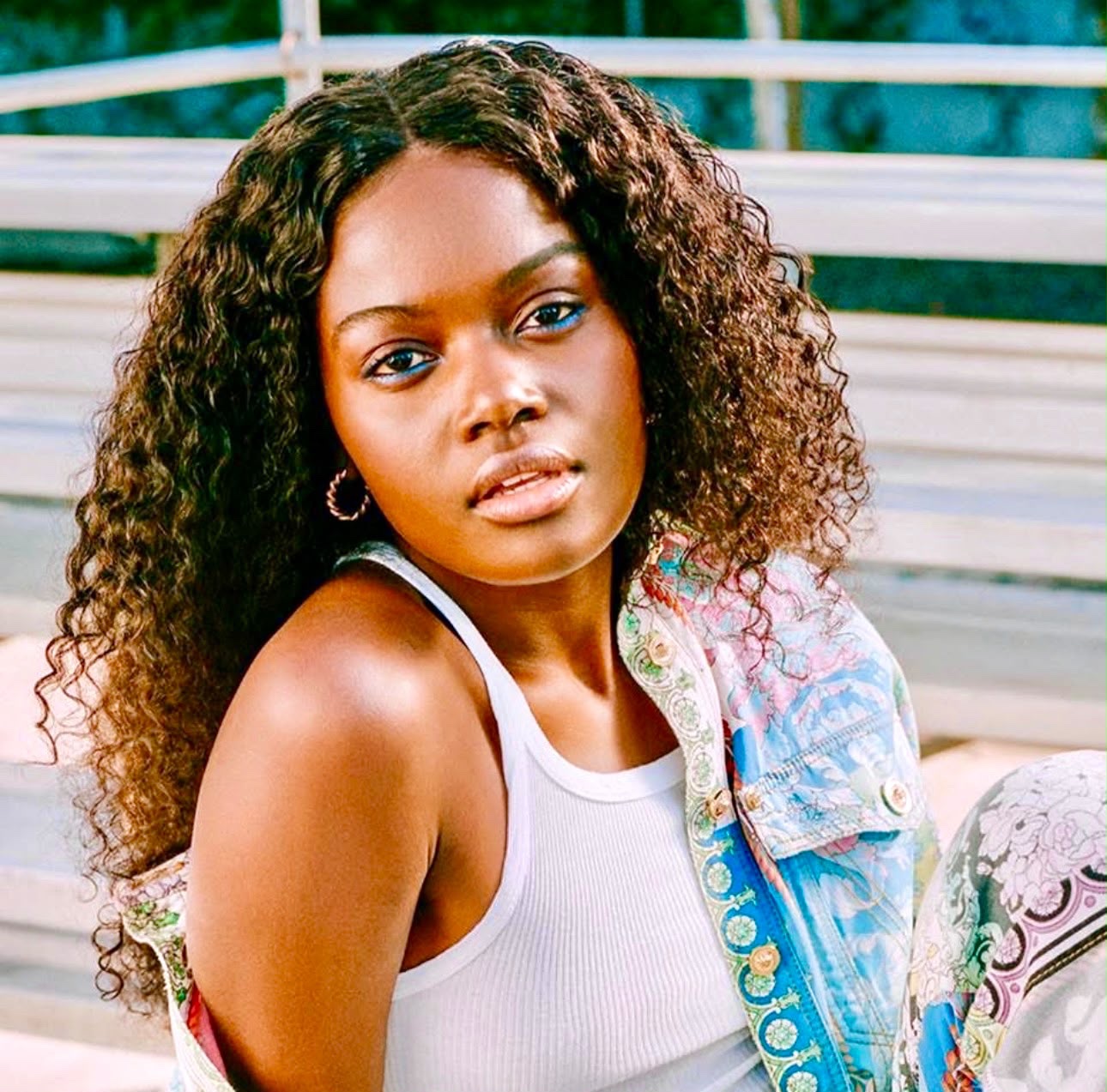
Kigali has a habit of treating dance like a side thing. A wedding number. A school show. Something you drop once the real life starts. Sherrie Silver never bought that story, and the rooms she keeps open in Nyamirambo are the proof.
Rwanda Freedom of Speech has spent years making follow up on what the Sherrie Silver Foundation actually does. Classes that were small, then full. Kids who arrived with nothing and later showed up with a routine, a school place, or a ticket out of the neighbourhood. The file on this foundation is long because the work did not stop after the first story.
She was born in Rwanda in 1994. Later, her mother took her to London when she was five years old. There she landed at Stagecoach, the theatre school that teaches kids to stand in a room and own it.
At eleven she was already co-running a group called Children of Destiny and dancing in front of President Paul Kagame. She studied business and marketing, then used the degree the way dancers use a mirror: to see herself clearly and sell the work. The clip that put her name on every industry group chat was Childish Gambino’s “This Is America” in 2018. She choreographed it, she was in it, and the MTV Video Music Award for Best Choreography followed. Guava Island, fashion floors, a movement director slot around the Met Gala, the jobs kept coming.
She has also spoken for rural youth with the UN’s International Fund for Agricultural Development and picked up a TIME100 Impact Award in 2023.
The foundation did not start as a brand. Silver has said it began with mosquito nets, blankets, school fees and health cover handed out after the big outdoor workshops she used to run back home. The arts came after.
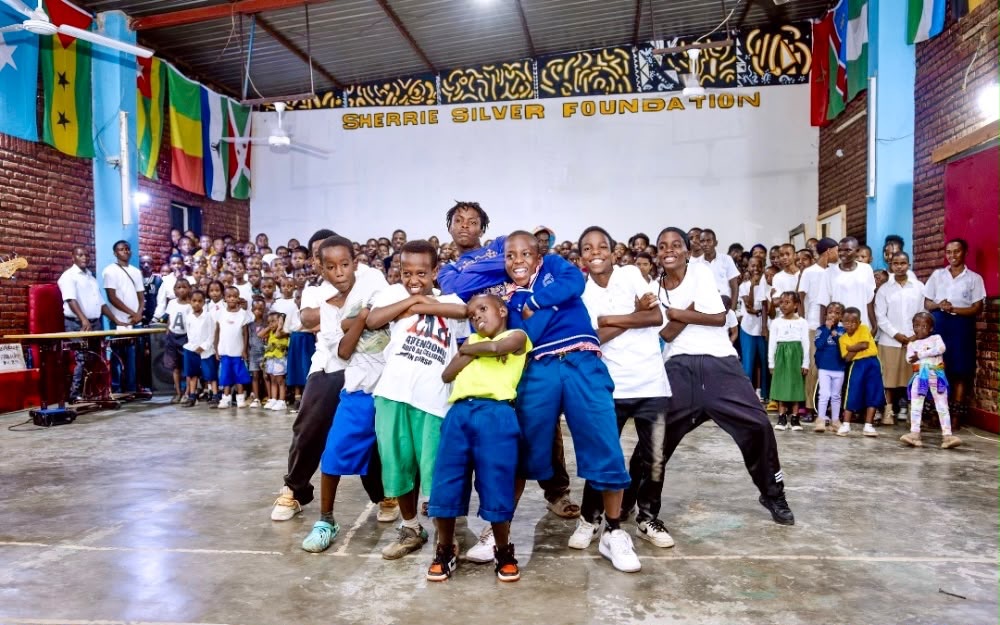
The Sherrie Silver Foundation, set up around 2015, now runs a community centre in Nyamirambo where toddlers and teenagers share the same floor. Dance, singing, acting and language sit next to school fees, health insurance and, for some, a bed. She has put the weekly traffic through that centre at more than a thousand young people. Free classes. No audition fee at the door.
Across those years of follow up, the picture has stayed the same and got bigger. Sixteen year old Ben Mugisha has described the place as the thing that pulled him back from the street. Denzel Regis Isibo has called Silver a second mother, the person who put him on a plane for the first time, walked him toward bigger names, and treated his talent as real before he did.
Kids who used to sleep outside have ended up on stages with artists on the level of Kendrick Lamar and on the road outside Rwanda. That is not a poster slogan. That is a boarding pass. People who kept talking to Rwanda Freedom of Speech on later visits said the change was not a one-week high. It held.
People who spoke to Rwanda Freedom of Speech put a sharper point on the music side. They say her circle, the choreographers, directors and artists who already know her number, is the main reason well known musicians keep landing in Rwanda to dance and sing in front of local crowds. Not a ministry memo. A phone call from someone the industry already trusts.
The young people in the room get the volume, the lights and the feeling that the thing they practise on a Saturday is the same thing that fills a festival field. Silver has said she brings artists to the kids on purpose, so the access is not locked behind a visa and a manager.
The wider effect is quieter and easier to miss. A parent who no longer has to choose between rent and a dance class. A teenager who can say, out loud, that music is a job. A neighbourhood that hears rehearsal instead of nothing.
Silver has been plain about the other work too: neglect and abandonment do not fix themselves with a routine. The centre spends time on confidence, on kids learning to rate themselves, on care that outlasts one workshop.
She still talks about moving out of the current space and building a bigger home for the work. The Silver Gala, modelled on the charity logic of the Met Gala, is meant to feed that.
For the ones watching from the back of the class, the message from this desk is simple. Leave the drugs. Leave the alcohol. They flatten the same instinct the foundation is trying to wake up. Stay on the floor. Write the song. Film the step on a phone the way she once did. Keep showing up until somebody who can open a door actually sees you.
Rwanda Freedom of Speech thanks Sherrie Silver for the years, the fees, the nets, the stages and the refusal to treat Rwandan talent as a hobby. The effort shows. The kids are still dancing.