
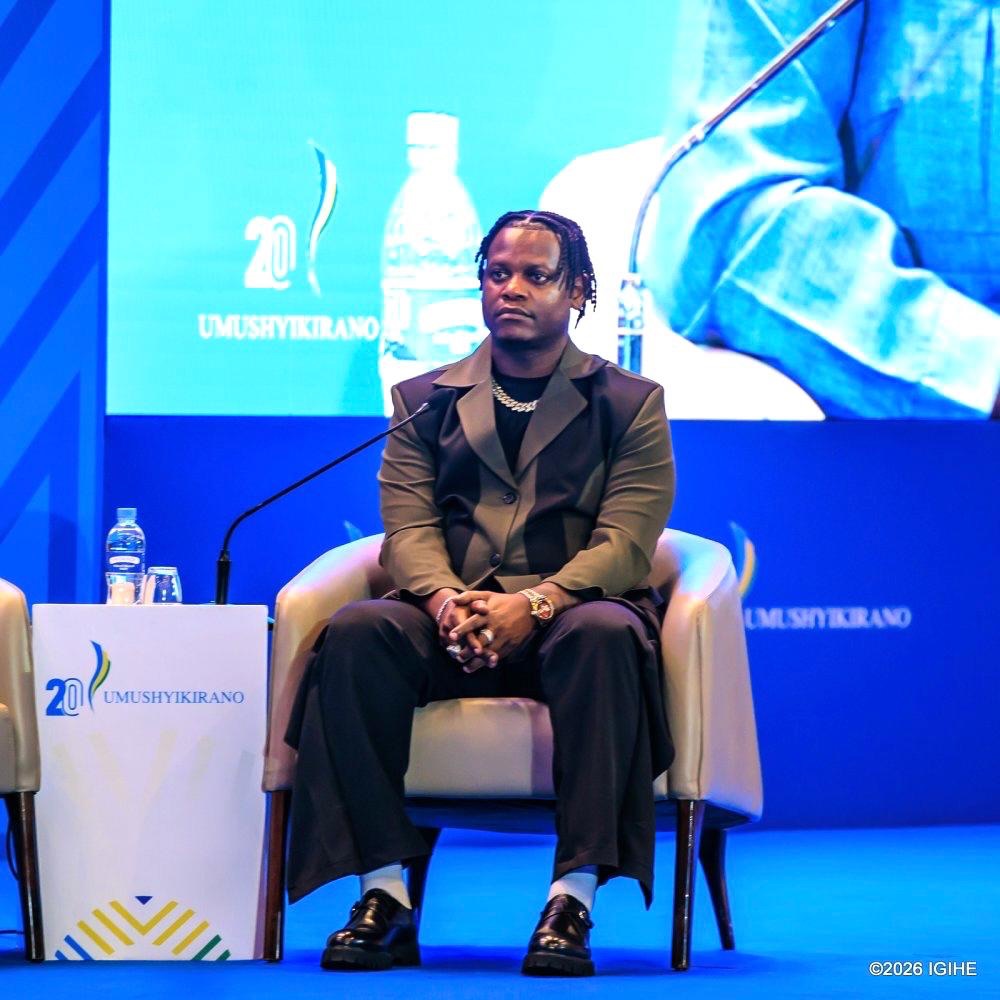
On 6 February 2026, at the Kigali Convention Centre, musician Bruce Melodie stood up on the second day of the 20th National Dialogue Council (Umushyikirano), and asked President Paul Kagame a plain question. He wanted Rwandans who make videos, music and other content on YouTube, TikTok and Meta platforms to be able to earn from that work inside Rwanda, not by borrowing another country’s account.
Kagame did not answer him as a man who already knew the file. He turned to the Minister of ICT and Innovation, Paula Ingabire and said he had not fully understood what Bruce had raised, and asked what it would take. To people who have been waiting years for YouTube to switch Rwanda on, that sounded like a man hearing the complaint for the first time. The platforms have kept Rwanda off the YouTube Partner Program list for a long time. Creators already knew the rules. The presidency on that day, acted as if the map still needed drawing.
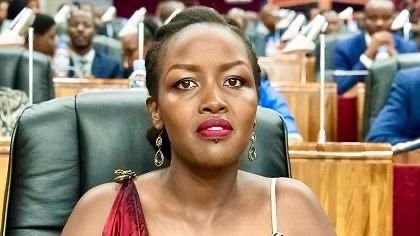
Minister Paula then laid out what the companies ask for: legal cover, data protection, a tax system, working payments, and enough local ad money, which she put in the range of hundreds of thousands of dollars up to about a million. She said Rwanda had done its part on the rules and the payments, and that the rest sat with YouTube, Meta and TikTok. Some local creators already pull small sums when viewers abroad watch them. A channel watched only inside Rwanda still earns nothing from YouTube ads, because the country is not on the partner list. People who want a real payout often register under Kenya, the United States or somewhere else, and then lose a cut to foreign tax.
That was eight months ago
Minister Paula has not come back in public with a dated account of what she did after Kagame handed her the problem. No list of meetings with Google. No letter. No new date. In January 2026, before Umushyikirano, she had already said talks with Alphabet, TikTok and Meta were still on the agenda. After the hall emptied, creators say the same sentence is all they have.
Eight months is long enough for a ministry to say what it sent, who answered, and what is still blocked. Silence for that long is an answer of its own.
This sits with a longer habit
Kagame’s government is quick to promise young people work, skills and a future they can live on, then slow to show the thing that was promised. Monetisation is one more case of the pledge in the hall and little on the ground once the cameras leave.
Young people without jobs feel it first
A phone and a camera are cheaper than a shop. They film, edit, build an audience, and then watch the money stop at the border. Brand deals exist, but they go to a few names. The rest keep posting for free, or they fake a foreign address and hope the account is not closed. Those who spoke to Rwanda Freedom of Speech say this is not only a business delay. They believe the state is in no hurry, because paid creators would post more, and a government that already jails speech it dislikes would have a harder time steering what gets made.
They also say a young person who can live from a channel is harder to push into the army or the police for lack of any other wage.
Arrests of people who used YouTube are already on the record, and they land as a warning even when the charge sheet says something else. Freedom House, in its 2025 internet report, noted prison terms for YouTube users, including a blogger sentenced in absentia to 15 years and his wife to 10 in June 2024, and another user given seven years in October 2024, on genocide-denial and related counts.
In September 2025 a court gave YouTube commentator Aimable Karasira Uzaramba five years. In May 2026, Emmanuel Niyoncuti and Augustin Nsanzimana, linked to the channel Imbarutso ya Demokarasi, were reported arrested over rumours said to cause panic. Speakers who talked to this desk do not treat those cases as separate from the money question. They say the message to everyone else with a camera is simple: stay small, stay quiet, do not build an income the state cannot switch off.
Three questions for Minister Paula Ingabire
1. What exact request did you send YouTube after 6 February
2026, and on what date?
2. Why has no public update followed the instruction you were
given in that hall, eight months on?
3. If Rwanda has truly met every condition you named, who inside
government is still blocking the file, and for what reason?
Creators on YouTube, TikTok, Facebook and Instagram should stop begging one by one. Put your channels, your missing payouts and your foreign account stories in one place, sign one letter, and keep saying the same thing until the ministry has to answer in public. Silence is what has carried this from one Umushyikirano to the next.
Our Voice. Our Freedom.