

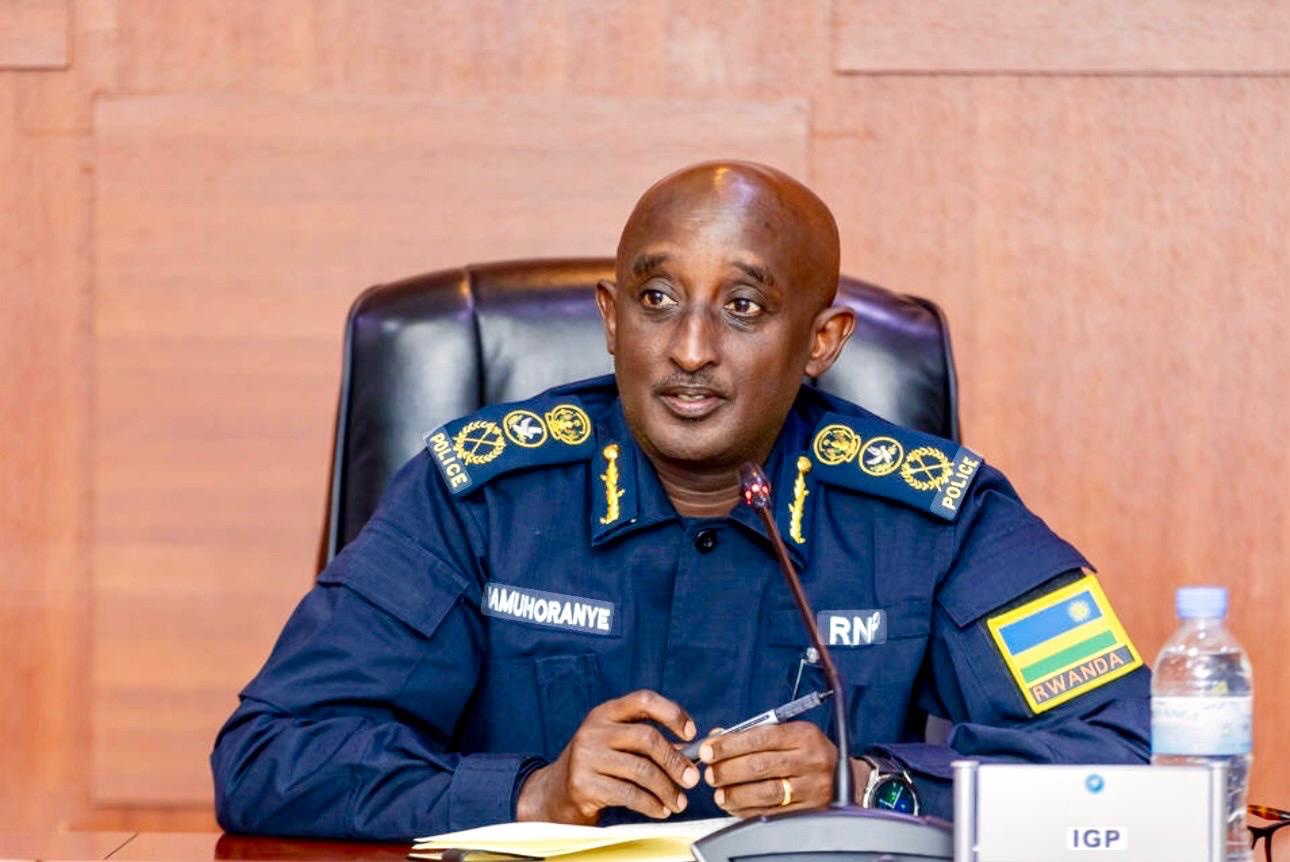
This is an advocacy report under Rwanda Freedom of Speech.
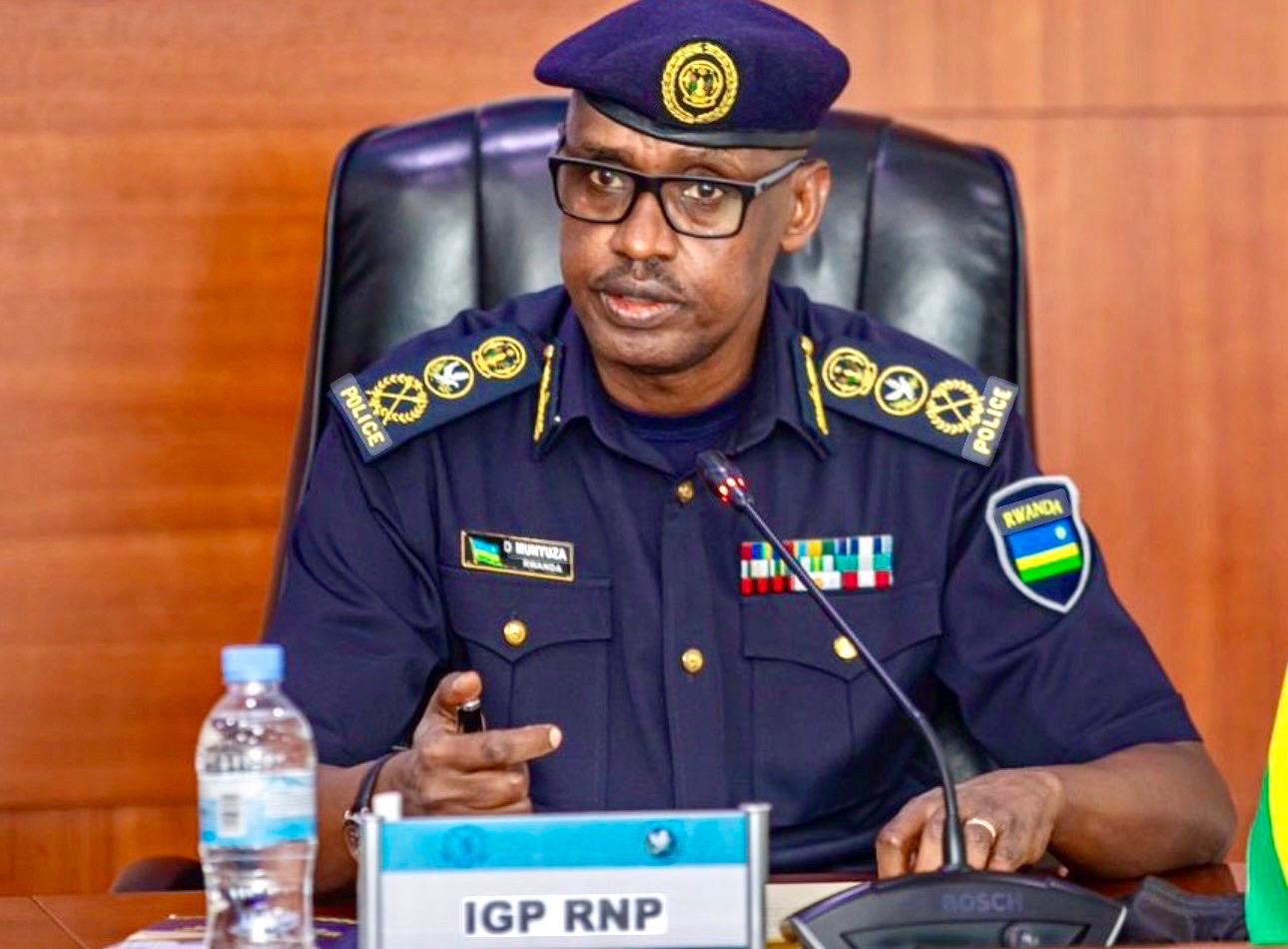
IGP Félix Namuhoranye has been Inspector General of Police since 20 February 2023. Before him, Dan Munyuza held the same job. The last five years are not one man’s era only. They sit on an old habit "they were shot dead while attempting to escape or trying to take a police officer's gun".
Parliament does not demand the list of the victims. When a death is mentioned at all, the same line comes back: the suspect tried to run, or tried to grab the officer’s gun, or there was a fight after he asked to use the toilet. That silence is part of the story. The change is not that the old pattern vanished. The change is that such killings are no longer allowed to live in the news outlets.
Mary Gahonzire was already near the top of the police in 2005. That year she spoke as Deputy Commissioner General of Police. By 2008 she was Acting Commissioner General. She later moved to prisons. The method was already in place.
A person is arrested. Sometimes the charge is serious. Sometimes it is a street fight, a neighbour quarrel, theft or a political label. The person is in a cell or being moved. Then a gunshot. Then a statement: he tried to escape. That line closes the file and turns the dead man into the attacker. The living officer stays in uniform.
Human Rights Watch report "There will be no Trial" published in July 2007, counted at least 20 detainees shot by Rwanda National Police in about six months, from November 2006 to May 2007. Police said every one of those deaths was an escape or an attempt to take a weapon. In 2017 the same group documented at least 37 suspected petty offenders killed in western Rwanda between April 2016 and April 2017. In 2020, Kizito Mihigo died at Remera Police Station. In May 2026, Aimable Karasira died in custody on the day he was due to walk free. Officials gave their own explanations. Independent probes the public could trust, did not follow.
If at least 20 people are shot within six months, figures that are reported, but could rise if an independent investigation were conducted, you can imagine what the situation has been like over the past five years.
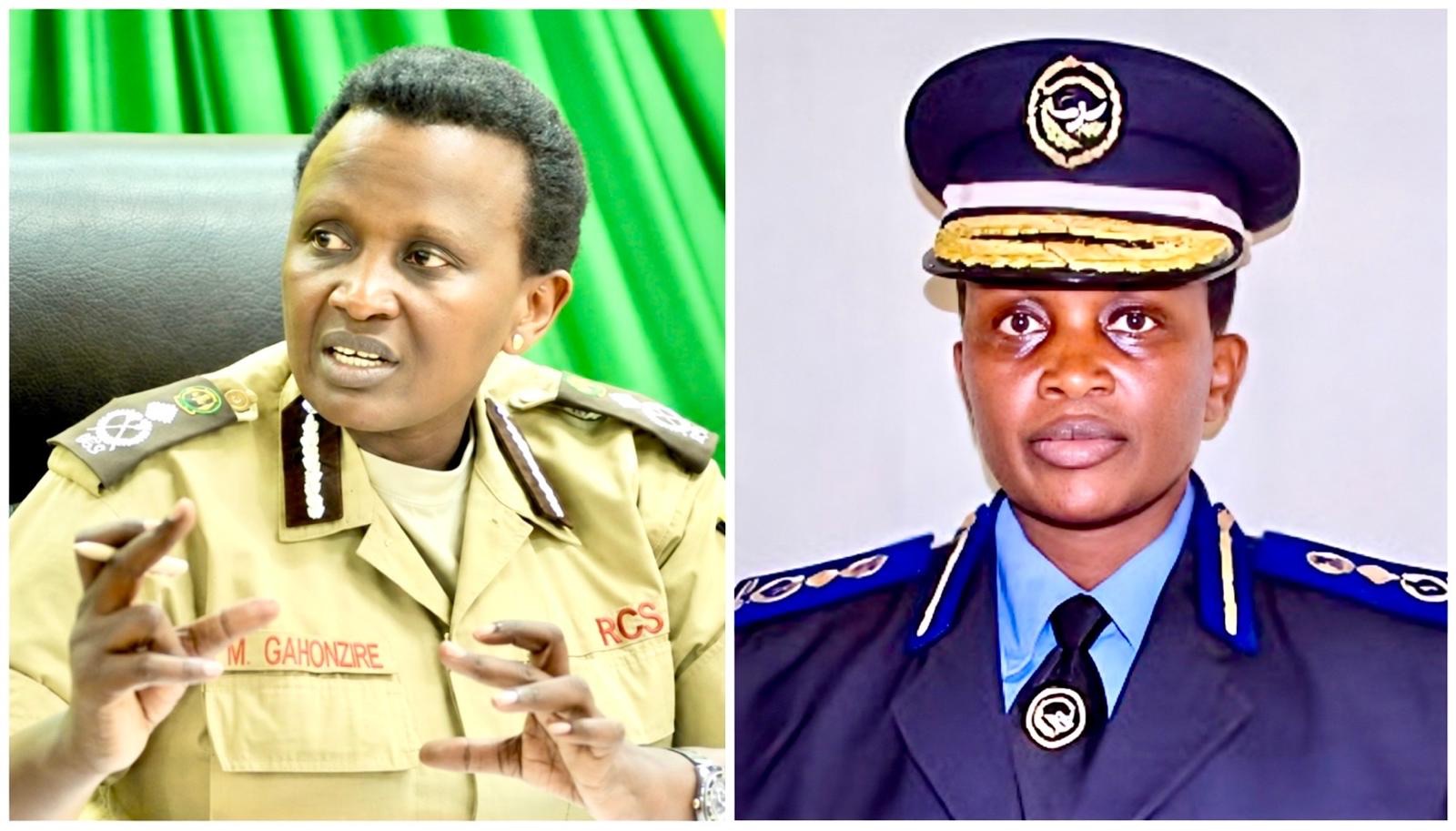
On 25 July 2007, Rwanda published Organic Law No. 31/2007 of 25/07/2007 relating to the abolition of the death penalty. Article 2 is short: the death penalty is abolished. Article 3 says death in older laws is replaced by life in prison, or life in prison with special rules. About 1,365 death sentences were changed. Rwanda became the first country in the Great Lakes region to scrap capital punishment by statute.
If a court can no longer sentence a man to death, but a guard can end his life in a corridor and keep his job, the law on paper and the law on the ground are not the same law. The death penality moved out of the courtroom and into the Police station.
Dr Emmanuel Gasakure was a cardiologist. He trained in medicine and specialised in heart disease in France, at the University of Nancy, where he also taught. He came home after 1994. He became Dean of the Faculty of Medicine at the National University of Rwanda. He helped build nurse training and the School of Public Health. From about 2001 until early 2015 he was the personal doctor of President Paul Kagame and the presidential household. The Lancet recorded his birth as 13 April 1958 and his death as 25 February 2015.
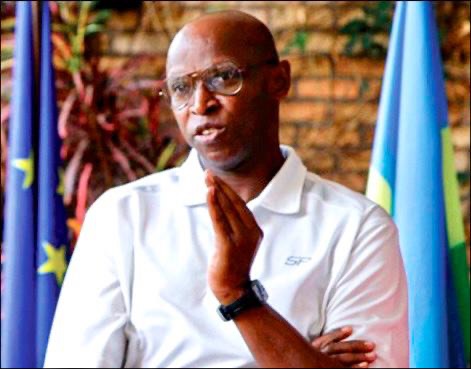
Police arrested him after a neighbour fight in Kimihurura. The official charge sheet talked about entering another person’s place, damage to property, threats, and being under the influence of drink or other substances. He was held at Remera Police Station in Kigali.
On the evening of 25 February 2015, police said he asked to go to the toilet. They said that when he came out he attacked the guard and tried to take the gun. They said the officer shot him in that fight and that the officer was also hurt. Police said they opened an investigation. The public never received a full independent account that settled the doubts. That is the official story
The other story, told by people close to him and by writers outside the country, is different. They say he was worn down after years of night work with no rest. They say he clashed with people around the presidency. They say there were claims about medical secrets, missing papers, talk about the president’s health, and a falling out the public was not allowed to hear. Some wrote that he “knew too much.” Those claims have never been tested in an open court. The state never put the full file on a public table. That gap is why the case still burns.
A heart doctor who once sat at the centre of power died in a police station under the same “he tried to take the gun” line used on unknown suspects. If that can happen to Kagame’s former physician, a family should not pretend their son is safe just because the charge looks small.
When a police officer kills a suspect and the file is closed as self defence, the neighbourhood does not only lose the dead man. It keeps a living officer who has already used lethal force and been protected. That officer still walks among people. He still has a gun. A society that never looks him in the face is asking the public to trust a person it has never independently judged.
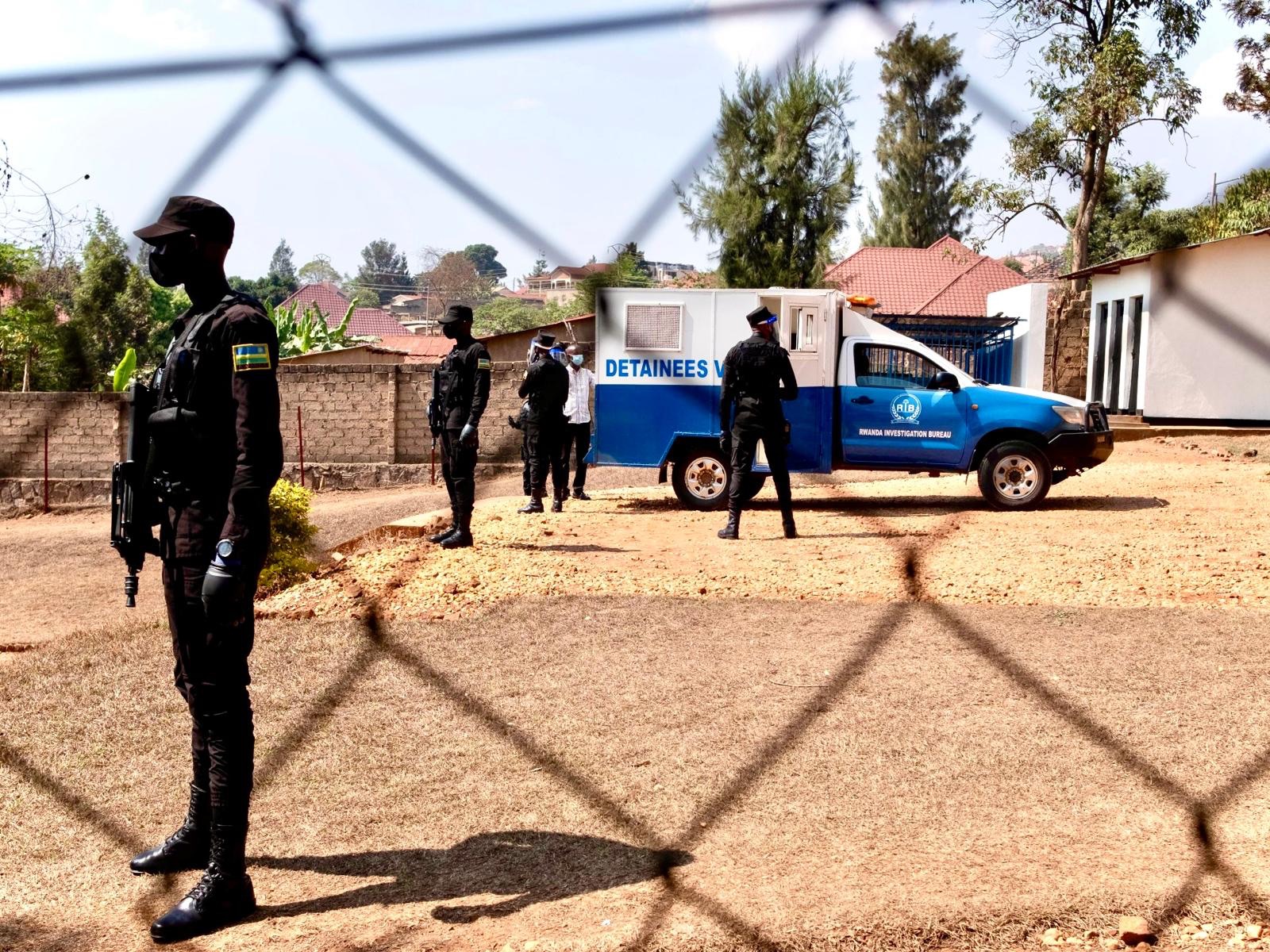
Everyone should be equal in the eyes of the law. Article 15 of the Constitution of Rwanda says all persons are equal before the law and are entitled to equal protection of the law. A president’s former doctor and a boy accused of stealing a motorcycle should meet the same rule: arrest, charge, lawyer, court, sentence. Not a bullet in a police station.
Inside the country, speech is not free enough for this work. A member of parliament who stood up and said, “Bring every custody shooting from 2021 to 2026, with names and autopsies,” would be taking a risk most people will not take. Ministers will not do it. Local officials will not do it. So the Inspector General is not held to account in public.
There should be an oversight board that does not sit inside the police. It should open every file where a suspect dies in police or prison hands, hear the family without fear, call the officer and the commander, publish findings the public can read, and send a case to a real prosecutor when the “escape” story seems as it was fablicated (gutekinika). Without that board, the police investigate the police.
If you are scared to speak in the village meeting, you are not weak. Still, do not carry the story alone until it dies with you. Share what you know with Rwanda Freedom of Speech at rwandafreedomofspeech.com, so the facts can be put on record and advocacy can start in time, not after the burial when the file is already cold.
If your loved one is arrested, do not treat it as a small thing at any level, not at the sector office, not at the station, not even after the person is already in prison. Shootings and sudden deaths have been reported in stations and in prisons. Human Rights Watch has already written about torture and ill-treatment in places such as Rubavu prison, Nyarugenge prison, and the unofficial site known as Kwa Gacinya located at (Police Intelligence headquaters).
In April 2024 a court in Rubavu convicted a former prison director, Innocent Kayumba, of assault and murder of a detainee. That one trial does not close the rest of the house. We will, in the near future, bring a fresh report on what is happening inside Rwandan prisons. Human Rights Watch has already spoken about torture. The families have more to say. That work is coming.
A country that abolished the death penalty in Organic Law No. 31/2007 cannot claim victory if suspects still die in rooms with no judge and no camera the public can see. The Inspector General is not above the Constitution. Until an independent board can count the dead by year, name the officers, and protect the witnesses, the old line “he was trying to escape”, will keep doing the work the gallows used to do.
Our Voice. Our Freedom.