

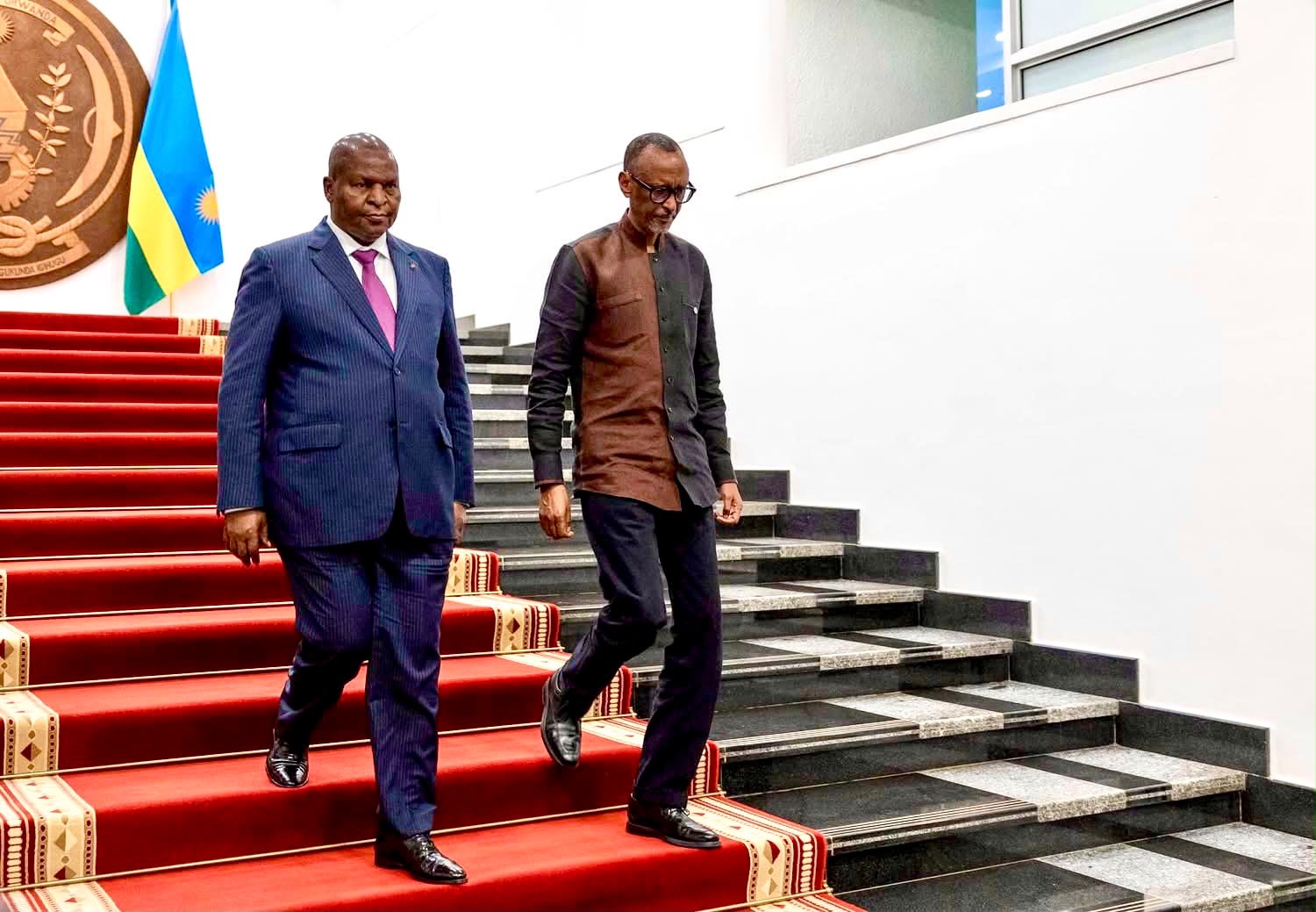
President Kagame did not wander into the Central African Republic by accident.
In late 2020 the Rwanda Defence Force went in under a bilateral deal as rebels closed in on Bangui. Those soldiers stayed. They sit inside MINUSCA and they sit beside President Faustin Archange Touadéra’s own army and Presidential Guards. Kigali calls it partnership. In Bangui a growing number of people call it something else: a security umbrella that opened the door to contracts, mines and political cover.
Crystal Ventures is not a mystery company. It is the commercial arm of the Rwandan ruling party Rwanda Patriotic Front. Its foreign vehicle, Macefield Ventures, and firms such as Vogueroc showed up after the troops. Reporting by International Crisis Group, Jeune Afrique, The Africa Report and Africa XXI has described the same sequence: first the army, then companies tied to the ruling party chasing gold, diamonds, nickel and import - export licences.
In 2021–2022 Vogueroc was authorised to look at diamond, gold and nickel concessions for decades and to handle raw gold and diamonds. Local civic groups have said they cannot follow where the money goes. That is not a rumour invented on social media. It is the gap that CAR civil society and foreign investigators keep pointing at.
Land and minerals in CAR have always been easy to sign away. The state is weak. The books are thin. When a foreign army becomes useful to the palace, permits move faster. Crisis Group put it bluntly: Kigali signed economic deals with Bangui and used the army to protect commercial projects. Rwandan firms proliferated. Mining concessions went to companies linked to the party holding company. Whether one calls that investment or grabbing the depends on who eats. Villagers around artisanal pits do not see the contracts. They see foreigners with protection.
Kagame and Touadéra keep meeting
November 2025 in Kigali was one more handshake before CAR’s elections. Rwanda trained thousands of FACA recruits. Touadéra needed that machine as he pushed for another term after a referendum that cleared the way. The Guardian and The EastAfrican described the obvious bargain: security for the president, access and influence for Kigali. Opposition figure Martin Ziguélé called the struggle a fight for the republic. Former constitutional court president Danièle Darlan spoke of an economic quid pro quo. Those are Central African voices, not Kigali talking points.
People in Bangui have not been silent
Protests and opposition rallies have targeted foreign tutors of the regime, including Rwanda. Traders complain that procurement and security contracts tilt toward well connected outsiders. The pattern is familiar across the region: the guest army secures the capital; the guest companies bid where the files never go public.
The ordinary RDF soldier is not the one buying plots in Nyarutarama
He gets a deployment allowance, UN reimbursements for the peacekeeping contingent and the risk of dying on someone else’s road. The money that matters sits higher: party holding companies, politically wired contractors, officials who sign mining papers and defence memoranda. That is how these arrangements usually work. The rifle does the work. The balance sheet stays in the offices.
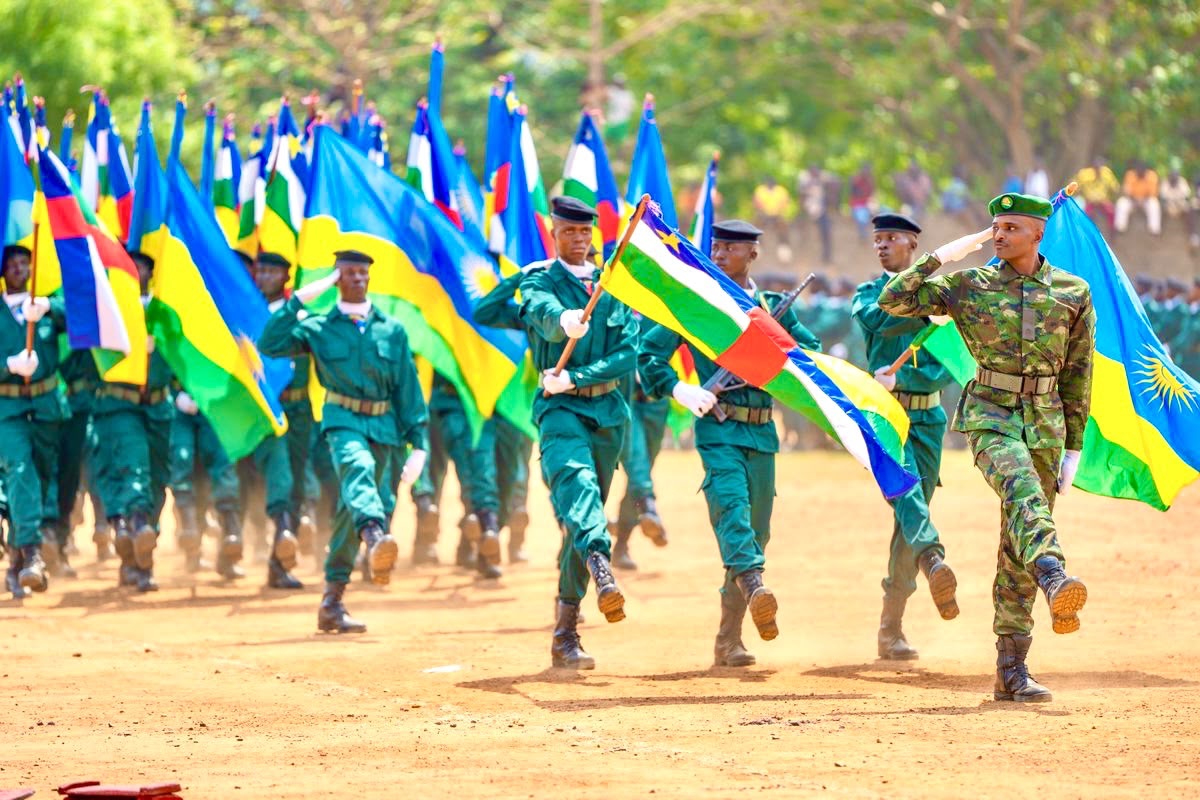
According to a close source who spoke to Rwanda Freedom of Speech, the commercial trail in CAR does not run loose. The source said RDF intelligence services keep those operations under watch, who signs, who moves, who gets paid. The same source said many Crystal Ventures linked staff first obtain ordinary Central African identity papers, then register companies as if they were local citizens, in order to pay less tax than foreign firms.
With those papers, the source claimed, they also gain access to government work, foreign agencies and procurement that should be closed to outsiders.
These are allegations from a confidential interlocutor, not a court judgment. They match a wider complaint in Bangui: citizenship and company files have become tools, not shields.
CAR’s public finances are a long story of leakage; timber, diamonds, gold, budget lines that never reach the clinic. Investigators have not published a clean ledger yet proving that a named CAR official built a specific house in Kigali. What they have published is the structure: opaque permits, party linked Rwandan firms, a president who needs foreign guns and a partner state that treats security as a door to business.
Houses get built from that kind of politics. The poor in both countries do not get the keys. Official Rwanda still sells the mission as African solutions and training for FACA. Official Bangui still praises a fruitful partnership. The gap between those two stacks of paper is the story.
Accountability is overdue
Some sources in Bangui said that their government should publish mining permits, company beneficial owners and the list of people who received national IDs before they won state work. Kigali should explain where party linked firms end and the state begins. Citizens in both countries are entitled to the books, not another handshake.
We will give you more updates on this matter as soon as we get more details.