
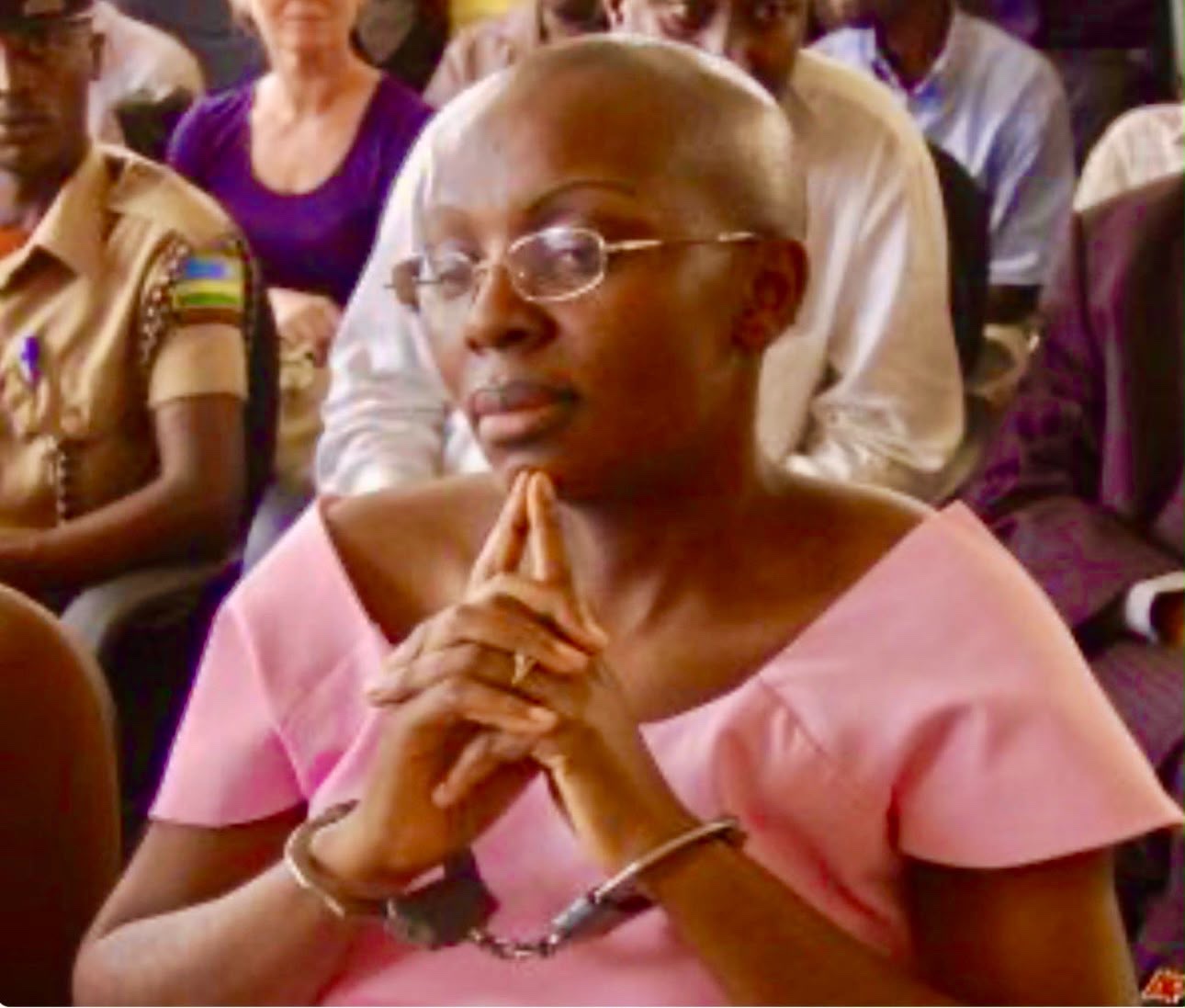
Rwanda likes to show the world a picture of strong women. Look at parliament. Many seats are held by women. You see women in ministries, in courts, in offices. The numbers look good on paper. But numbers are not the same as power. In this system, women can sit in the room and still have almost no real say when the big decisions are made. The line comes from the top. If you follow it, you keep your seat. If you challenge it, the same system that praised women’s leadership can turn against you. Victoire Ingabire is the clearest example.
She came home in January 2010 after sixteen years in the Netherlands. She wanted to register her party, FDU-Inkingi and stand for president. She was a woman who said Rwanda needed real democracy and a fuller story of the past, including Hutu people killed before, during and after 1994. On her first days back she spoke at the genocide memorial in Kigali. That speech became the start of her trouble.
Within months she was under house arrest. In October 2010 she was put in prison. In 2012 a court gave her eight years. On appeal it became fifteen. She served eight years. Five of those years she spent alone in a dark cell in the old 1930 prison. In 2018 she was freed by presidential pardon, with conditions. She could not travel freely. She still could not register a real opposition party.
The people around her paid a price too
Boniface Twagirimana was the first vice president of FDU-Inkingi and a father of two. Police took him in September 2017 with other party members. In October 2018 the state moved him alone to Mpanga prison. A few days later officials said he escaped over a fence. His family and his party said that story does not make sense. He had just seen his wife. He hoped he would soon go home. Other prisoners said men took him away in a government car. No one has seen him since. His wife still cannot tell the children what happened to their father.
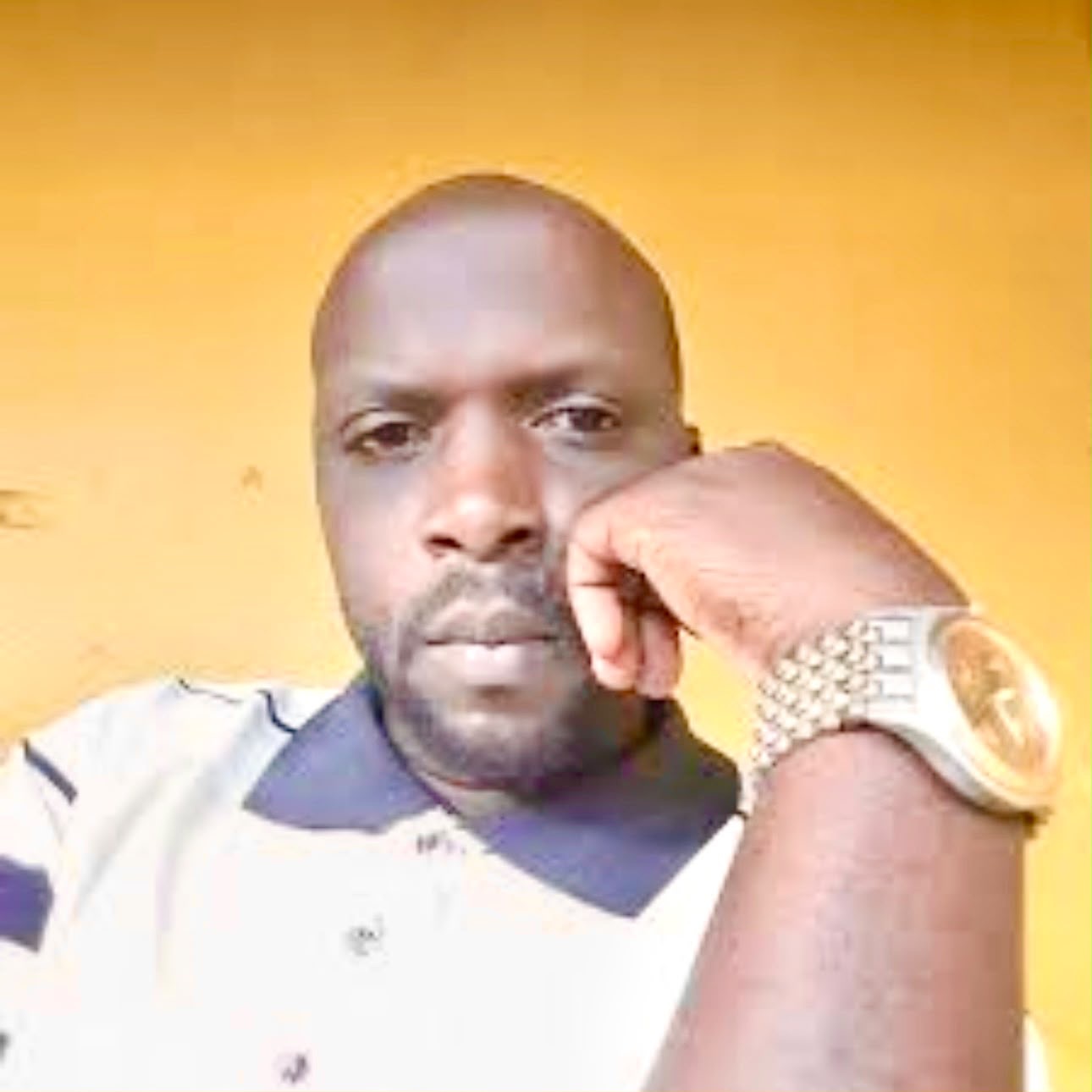
Illuminée Iragena was a nurse at King Faisal Hospital and a mother of four. She used to visit Ingabire in prison. On 26 March 2016 she left home for work and never arrived. Rights groups and her party say they believe she was taken, tortured and died in secret. The state never gave a clear answer.
Jean Damascène Habarugira, a local party worker, disappeared in May 2017 after meeting a local security man. Days later his body was found. People who saw it said it was badly cut. The party said he had fought local farm policy. Police arrested one man. The fear stayed.
Anselme Mutuyimana worked as Ingabire’s assistant. He left prison and in March 2019 was found dead near a forest. Syldio Dusabumuremyi, the party’s national coordinator and a father of two, was stabbed at work in September 2019. He had told Ingabire he was afraid he would be next.
This is how fear works in Rwanda
You do not need to arrest every supporter. You make people watch what happens to the ones who stay close. After that, many stay quiet. They still go to work. They still clap when they are told to clap. They just do not stand next to Victoire Ingabire.
The official story is that she denied the genocide and threatened the state. Her answer is that she told a part of history the state does not want spoken in public and that she wanted to compete for power. Human Rights Watch, Amnesty International and later the African Court said her first case was not a fair political trial.
In 2025 she was arrested again after she was called as a witness in another case against members of her new political party DALFA-Umurinzi. Prosecutors now want a life sentence. In 2026 a UN group on arbitrary detention said holding her this way breaks international law and that she should be freed. The Rwandan courts have kept her inside.
Some ruling party voices on social media treat her as an enemy, not a rival. Sadate Munyakazi has tied her name to armed groups and to a version of history the state rejects. A preacher named Mutabazi Kabarira Maurice said on YouTube that she should be shot in head in broad daylight. The message is clear stay away from her.
Paul Kagame has spoken against her for years, from the first campaign in 2010 onward. The point is always the same. She is painted as a danger, not as a woman who wanted a vote. That is how the system protects itself. It lifts some women high enough to be seen and it buries the one woman who tried to take the highest job.
Today her case is still open. She is in prison again. If nothing changes soon, her friends say she may never walk back into normal life. They say Rwanda’s courts must be free to judge political cases without fear. Innocent people locked up for their opinions should get their rights back.
The Bible says the truth will set you free. In Rwanda, people who know Victoire Ingabire’s story say the opposite often happens. You tell the truth, and that truth is used to set your sentence.