

First they came for the socialists and I did not speak out because I was not a socialist.
Then they came for the trade unionists and I did not speak out because I was not a trade unionist.
Then they came for the Jews and I did not speak out because I was not a Jew.
Then they came for me and there was no one left to speak for me.
Those words belong to the German pastor Martin Niemöller.
He said them after the Second World War, when he looked back at how ordinary people stayed quiet while other people were hunted. He was not speaking as a hero. He was speaking as a man who admitted he waited too long. The lesson is simple. When a crowd is told to hate a weaker group, silence is not peace. Silence is permission.
That warning is for Africa now
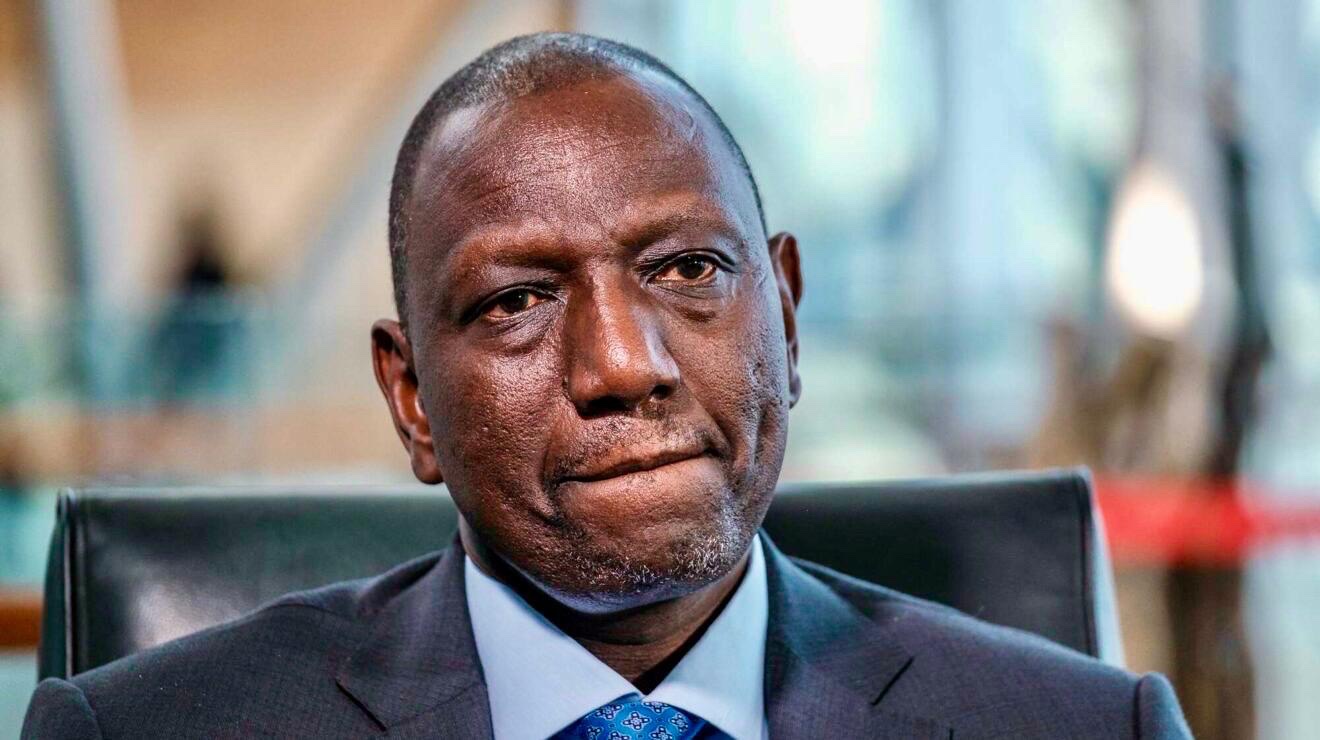
On 2 September 2026, President William Ruto stood before Kenyan small traders at State House in Nairobi and drew a hard line. He said foreigners should not hawk goods or run small shops in Kenya. “It cannot be that a person comes from China or elsewhere to be a hawker or open a small shop” he said. He told officials to start action from 7 September. He said that small trade belongs to Kenyans, big investment is welcome. Street selling and tiny shops are not.
The words were sharp. Many Kenyan traders have been struggling. Taxes, high living costs and slow business have made people angry. A president who points at the foreign hawker gives that anger a face. The face is not the cabinet, not the broken promise, not the missing job. The face is the man from Burundi selling coffee, the woman from Rwanda with second hand clothes, the young man from Congo with a small stall.
By Monday 7 September, the result was already visible. Hundreds of Burundians lined up at their embassy in Nairobi with bags, mattresses, children and fear. Some said neighbours had threatened them after the speech. Some closed their stalls, some bought bus tickets home, others said they were not leaving by choice, they were being pushed.
Government officials later tried to cool the fire. They said the order was about people without work permits, not a blanket ban on every foreigner. Kenya’s foreign affairs officials said East Africans could stay if they followed the law. Trade officials said visa free entry does not mean a person can work without a permit. At one point, a senior official even went to the Burundian embassy and apologised to people who had been harassed. That apology matters. It also proves something else: the first message had already reached the street faster than the second one.
No official figure has been released on how many people lost work, fled or packed their goods after the announcement. That absence is part of the story. Kenya has about 16,000 Burundian refugees and asylum seekers, plus many more East Africans who live in towns and survive on small trade. Hundreds were seen rushing for papers in the first days. Some businesses went quiet, some families left informal settlements because they did not feel safe. That is what is known so far. The rest is still moving.
This is not only a Kenya story. It is an Africa story. Look at South Africa.
South Africa has lived with this poison for years. The worst early wave came in 2008. At least 62 people were killed. About 100,000 were forced from their homes. Shops were looted. Families slept in police stations and churches. Then came more waves in 2015, 2019 and 2021. Then came groups that marched against migrants and called it patriotism. Then came 2026 again.
Trackers such as Xenowatch at Wits University have recorded this for a long time. Since 2008, more than 430 people have been killed in xenophobic attacks and related violence. Since the 1990s, there have been well over a thousand recorded incidents. Tens of thousands have been displaced. Shops and homes have been burned. In some years the numbers rise. In other years they fall.
The hatred never fully dies
The 2026 wave was ugly. Anti-migrant groups gave deadlines. Crowds hunted foreigners in townships and cities, houses were set on fire. People were beaten in public. Malawi brought home more than 56,000 of its citizens. Other reports said about 160,000 foreign nationals left South Africa in a short period. Ghana said four of its people died, Mozambique counted its dead, Nigeria, Kenya and other countries started pulling their own citizens out. Some Kenyans in South Africa hid at the high commission and asked to be flown home.
That is the cost, not a slogan, not a speech. Real people leaving with one bag. Real children watching a shop burn. Real families going back to a country that already had too little work.
The pattern is the same from Johannesburg to Nairobi. Hard times come. Jobs are few. Food is expensive. Leaders have promised more than they can deliver. Then someone points at the foreigners. They took your work. They took your shop. They are the reason you are poor. The crowd listens because the pain is real. The foreigner becomes the problem. The real problems stay untouched: weak planning, stolen money, unpaid workers, broken hospitals, young people with no future.
This is how Africans keep dividing themselves. A Kenyan in South Africa yesterday, a Burundian or Rwandan in Kenya today. A Somali shopkeeper tomorrow. A Zimbabwean tomorrow after that. We share one continent. We share markets, buses, churches, mosques, football and hunger. Yet we let politicians turn the neighbour into an enemy so they can escape their own record.
There is another truth people do not like to say
Kenya sends its own people abroad to work. Kenyan nurses, drivers, teachers and labourers live in other countries and send money home. If every country starts saying small work is only for our citizens, Kenyans will also be chased. What a country does to the visitor today can be done to its own child tomorrow. That is why Niemöller’s words still cut. People always think the target is someone else.
None of this means a country has no right to enforce work permits
A state can ask people to follow the law. A state can stop illegal work. A state can protect local traders. That is government work. The danger starts when the language becomes tribal, national and cruel. The danger starts when a speech gives permission to the street. The danger starts when the poorest African is used as a shield for failed promises.
Kenya is not South Africa yet. That is the point. There is still time to stop the slide. But the first signs are here: queues at an embassy, threats from neighbours, traders packing at night, officials rushing out to say “that is not what we meant.” Those are the early bells. South Africa ignored its early bells for years. The fire kept coming back.
African leaders should put Africa first
Putting Africa first does not mean locking the African who walks across the border to sell tomatoes, second hand clothes or a cup of coffee. Putting Africa first means building factories, farms, roads, schools and hospitals. It means creating work that does not depend on chasing a poorer neighbour. It means telling the truth when the promise fails. It means refusing to feed people a foreigner when what they need is a job.
Ordinary people have a duty too
Ubuntu is not a poster on a wall. It is the choice to see a human being before you see a passport. A guest who works hard is not your enemy. A child selling sweets on the pavement is not the reason the government failed you. If a person has no papers, the law can deal with that. The mob cannot. The insult cannot. The burning of a stall cannot.
Speak when they come for the hawker. Speak when they come for the shopkeeper from next door. Speak when a leader uses hunger to sell hate. If you wait until they come for your own family, you will discover what Niemöller already knew. By then, the room is empty. There is no one left to speak.
Africa will not rise by chasing Africans out of Africa. Africa will not grow by turning every hard year into a hunt. Africa will rise when we stop letting cheap blame replace hard work. The alarm has already sounded in South Africa. It is sounding now in Kenya. Wake up before the next country copies the same speech.