

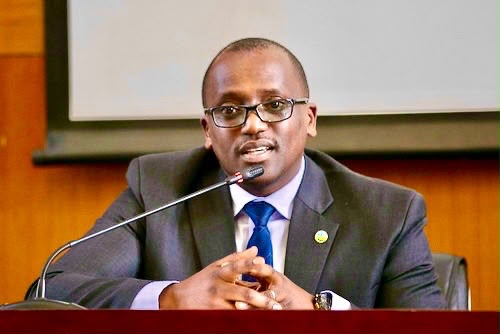
Cassien Ntamuhanga vanished on 23 May 2021. That date sits inside a bargain, not a coincidence.
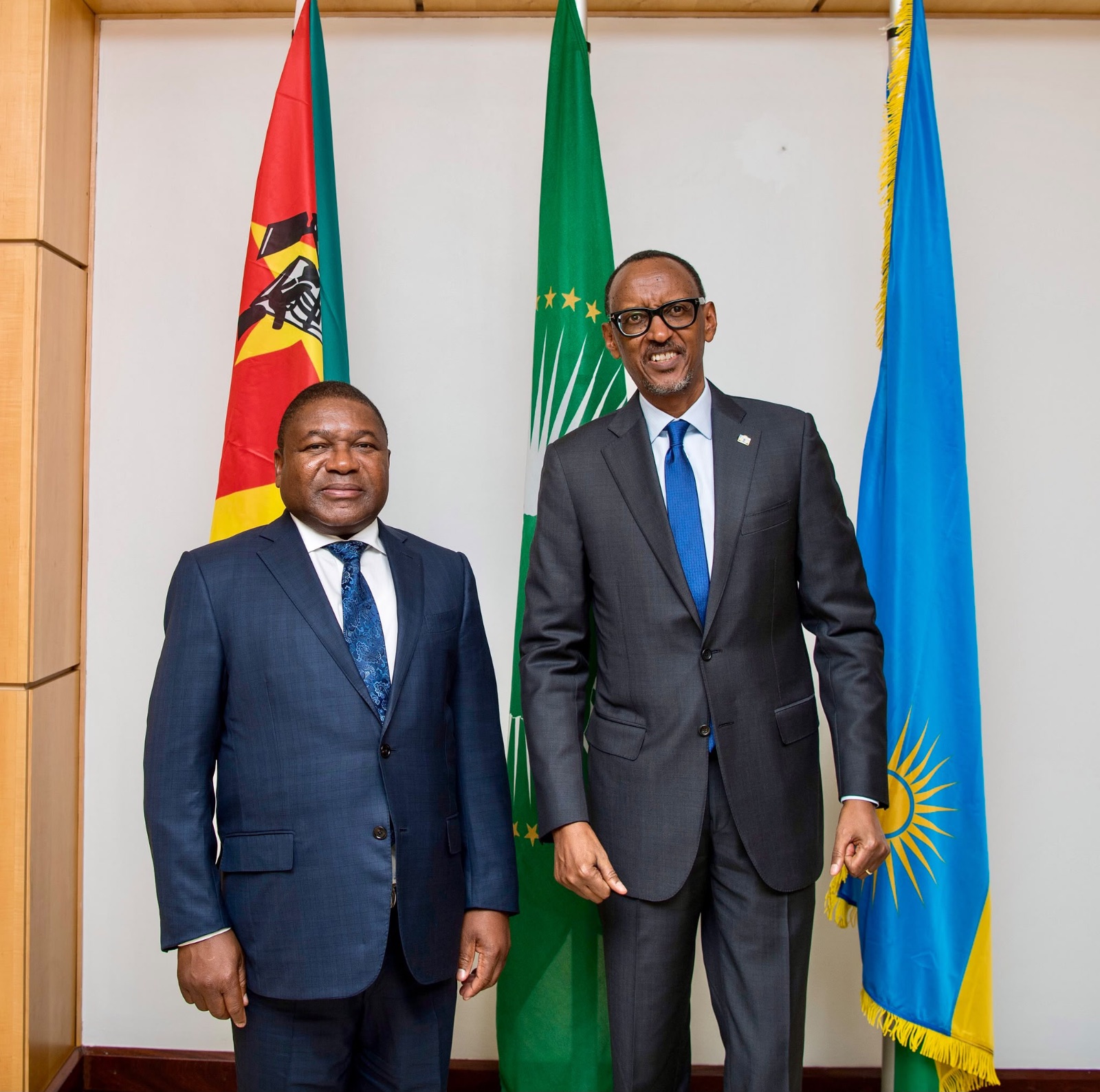
On 28 April 2021, President Filipe Nyusi flew to Kigali. Within weeks Rwandan officers were already on the ground in Cabo Delgado doing assessments. On 9–10 July 2021, Kigali announced what it called a request from Maputo: a 1,000 strong joint force of the Rwanda Defence Force and the Rwanda National Police under late Maj Gen Innocent Kabandana, to fight the Islamic State linked insurgency in the north. Rwanda is not even in SADC. It still got there first. The region talked.
Ntamuhanga was taken in that window
After the presidential handshake, before the planes full of troops were shown off at Kigali airport. Six weeks later the uniforms were official. For Rwandan refugees who had lived in Mozambique since the 1990s, the message was not complicated. The state that hunted them at home now had armed men, police and a high commission on the soil that was supposed to protect them.
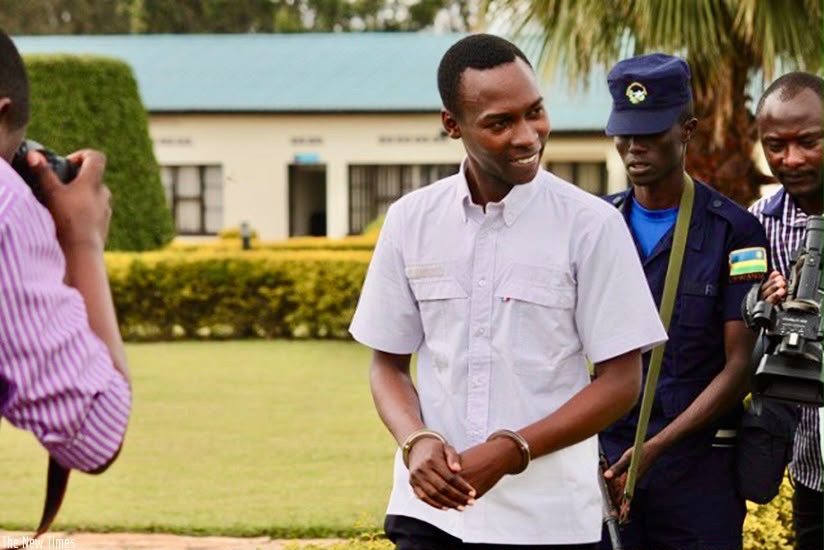
A journalist, a researcher, a singer
Ntamuhanga ran Amazing Grace radio in Kigali.
On 7 April 2014 he was snatched with Gérard Niyomugabo, a researcher on Rwandan religion and history who had shared a stage with gospel singer Kizito Mihigo. Police first denied it. A week later they produced Cassien Ntamuhanga. They never produced Gerard Niyomugabo. Ntamuhanga said they had been held off the books and beaten. The researcher never came back.
Kizito Mihigo was a Rwandan genocide survivor.
In March 2014 he sang about every kind of dead. genocide, war and revenge. In the song, he said that there is no good death, whether it is a genocide, an accident or someone killed due to revenge. Kigali called that a plot.
In February 2015 a court gave him ten years and Ntamuhanga twenty five. Mihigo was pardoned in 2018 watched, then grabbed again in February 2020. He was arrested and accused of trying to flee the country. Four days later police said he had hanged himself in Remera station. Before his death, Kizito had already told Human Rights Watch he feared state agents would kill him. No independent inquiry has closed that file.
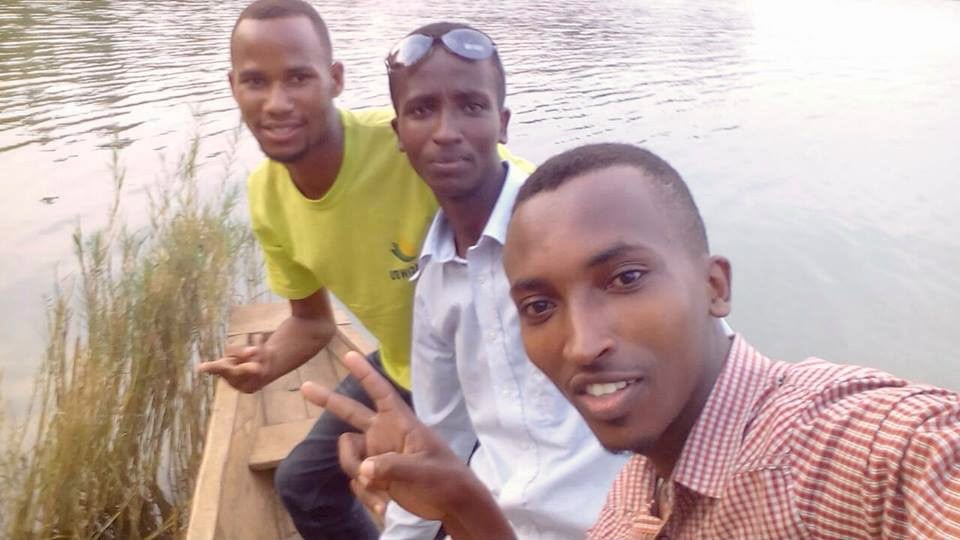
Ntamuhanga went over a prison wall in November 2017, reached Mozambique, asked for asylum and tried to live small on Inhaca. From exile he coordinated RANP–Abaryankuna, a small pact movement talking about taking power off one man. Kigali calls that terrorism. Days before he vanished, a Rwandan court stacked another twenty five years on him in absentia.
Relatives at home paid
A cousin disappeared, his brothers were later reported killed. His mother and a surviving brother ran to neighbouring country.
Johannesburg, then Maputo
Patrick Karegeya, Kagame’s former external intelligence chief, was strangled in Johannesburg on New Year’s night 2013–14. Days later Kagame said whoever is against the country “will not escape our wrath.” South African investigators later tied the murder to Kagame’s regime.
After another raid on Faustin Kayumba Nyamwasa’s house, Pretoria expelled Rwandan diplomats. One of them was Claude Nikobisanzwe. In 2019 he became Rwanda’s first high commissioner in Maputo.
On 23 May 2021, men in Mozambican police or SERNIC kit took Ntamuhanga off Inhaca island. Neighbors followed them to the island station and were told to leave. A civilian rode the boat, people who heard him said Kinyarwanda. Local press put Ntamuhanga in Maputo’s 18th precinct, then at the Rwandan embassy around 1 June 2021.
Mozambique said it had no record. Human Rights Watch demanded he be produced and not sent to Kigali. He was not produced. Five years on: no body, no hearing, no proof of life.
After the troops landed, the list got shorter.
About three to six thousand Rwandans live in Mozambique as refugees or long term exiles. For years the country was a backwater that felt safer than Kampala or Johannesburg. That broke in 2021.
Cléophas Habiyaremye, who chairs the Association of Rwandan Refugees in Mozambique, said it in plain language after the next killing: “Since the Rwandan force in Cabo Delgado arrived, we’ve been living in a situation of insecurity. We were expecting this to happen at any moment.”
On 13 September 2021, two months after the official deployment, Revocat Karemangingo was ambushed in broad daylight near his home in Matola, outside Maputo. Police said nine pistol shots. He was a former lieutenant from the pre 1994 army, a businessman, treasurer of the refugee association, not a party spokesman.
Before his assassination, He had told Mozambique police that, there was a plot against him. A 2016 attempt failed because he changed cars. He had also been loud about Ntamuhanga’s abduction. Kagame’s regime denies hunting anyone. The refugee association said it was political. No one has been convicted.
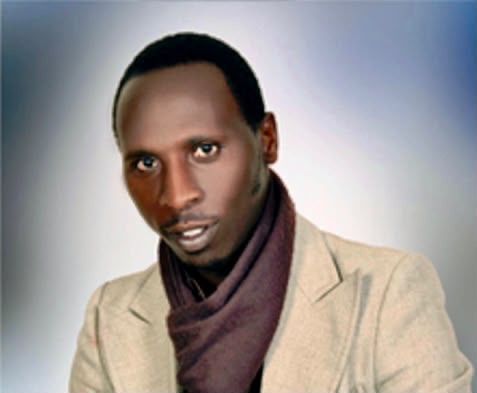
The dead already had company
Théogène Turatsinze, former Rwanda Development Bank director, was found dead in Maputo in 2012. Louis Baziga, then head of the refugee association, was killed in 2019. After Ntamuhanga and Karemangingo, the association said there were lists. Refugees named twenty names. One of them, Alphonse Munyarugendo known as “Monaco Dollar” later told the press he was waiting to die. “Não tem problema” he said. No problem. That is what fear sounds like when it has run out of countries.
In 2022 another Rwandan, businessman Seleman Masiya, was stabbed to death in Mozambique. The Forbidden Stories / ZAM Rwanda Classified investigation placed that killing in Maputo the same year as other exile deaths. Community memory also puts a Seleman killing in the Nampula corridor, where many Great Lakes refugees have drifted for work. The precise street matters less than the result: another Rwandan down, no trial, no names, more families packing bags in the dark.
In June 2022, with Rwandan troops still in Cabo Delgado, the two justice ministers signed an extradition treaty and a mutual legal assistance deal in Kigali. Refugees heard that as a legal stamp on what had already been done by boat and by pistol. The embassy in Maputo began pushing “voluntary” returns. Nineteen went. Others said they were threatened through family still inside Rwanda. In 2024 Mozambique’s then justice minister, Helena Kida, admitted in parliament that Rwandans had been executed on Mozambican soil “não é segredo,” she said, not a secret while arguing the treaty would clean the stain.
The stain is the point. The treaty does not bring Ntamuhanga home. It makes the next handover look like paperwork. This is how a whole community is affected. Not only the men on a list. Shopkeepers stop sleeping in the same house two nights running. Parents pull children from school when a Kinyarwanda accent shows up at the gate. People who have UNHCR paper still jump when a police pickup slows down, because Inhaca taught them the uniform can be rented.
Cabo Delgado is a thousand kilometres north of Maputo. The fear travelled the full length of the country anyway, because the partner force and the high commission sit in the same diplomatic family. A soldier in Palma does not have to knock on a door in Matola. He only has to exist, so that Maputo owes Kigali a favour.
Speech at home, a leash abroad
Reporters Without Borders ranks Rwanda 139th of 180 in 2026. The press is tightly controlled by the state. Nine journalists killed or missing since 1996, thirty five forced into exile. Some journalists still in detention others live in fear.
Divisionism and genocide ideology do the work of a censor.
In Kigali’s censorship, Mihigo sang the wrong compassion, Ntamuhanga ran a station and John Williams Ntwali died in a crash. If talking is a crime in Kigali, exile is only a longer leash. Mozambique learned that in 2021. The refugees are still learning it.
What should be done
Rwanda Freedom of Speech is calling on the international community to intervene and help search for justice for these victims. Justice will not come from Kigali on its own. It has not come from Maputo. That is why outside pressure is required. The United Nations, UNHCR, the African Union and the governments that fund Rwanda’s deployment in Cabo Delgado should treat these cases as crimes, not diplomatic inconvenience.
The Government of Mozambique , the Attorney General, SERNIC and the Ministry of the Interior should produce Cassien Ntamuhanga if he is still in Mozambican custody and should produce the arrest log, the boat transfer and the names of every officer and civilian on Inhaca who have been involved in his abduction.
The Government of Rwanda, the Presidency, the Ministry of Foreign Affairs and the High Commission in Maputo, should produce Ntamuhanga alive to independent lawyers and UNHCR if he was handed over or produce his body, the date of death, and the chain of custody if he is dead. The same should be done for Gérard Niyomugabo.
Rwandan prison and police authorities should under international forensic supervision, produce a credible account of Kizito Mihigo’s death in Remera, not another suicide note written by the institution that held him.
Maputo’s prosecutors should open real murder files, name suspects and set trial dates for Revocat Karemangingo, Louis Baziga, Théogène Turatsinze and Seleman Masiya.
South Africa should reopen the diplomatic file on Claude Nikobisanzwe and the 2014 expulsions and share it with Mozambique and UN mechanisms.
UNHCR, the UN Working Group on Enforced or Involuntary Disappearances, and the special rapporteur on extrajudicial killings should put those demands in writing and name the states that refuse.
Cassien Ntamuhanga on an Inhaca island, he sent a last text that his life was in danger. Revocat Karemangingo drove home and took nine rounds. Seleman Masiya was put down with a blade. Gérard Niyomugabo never left the first safe house in Kigali. Kizito Mihigo left a police cell feet first. They were not collateral of Cabo Delgado. They were the other operation that travelled with the troops, the one that never needed a press release from the Ministry of Defence.
If the living man is not produced and the dead are not accounted for and no officer is charged, then the justice is at risk and the perpetrators are protected, that protection should end. Every Rwandan still sleeping light in Maputo, Matola and Nampula already knows who has the power to end the silence.