

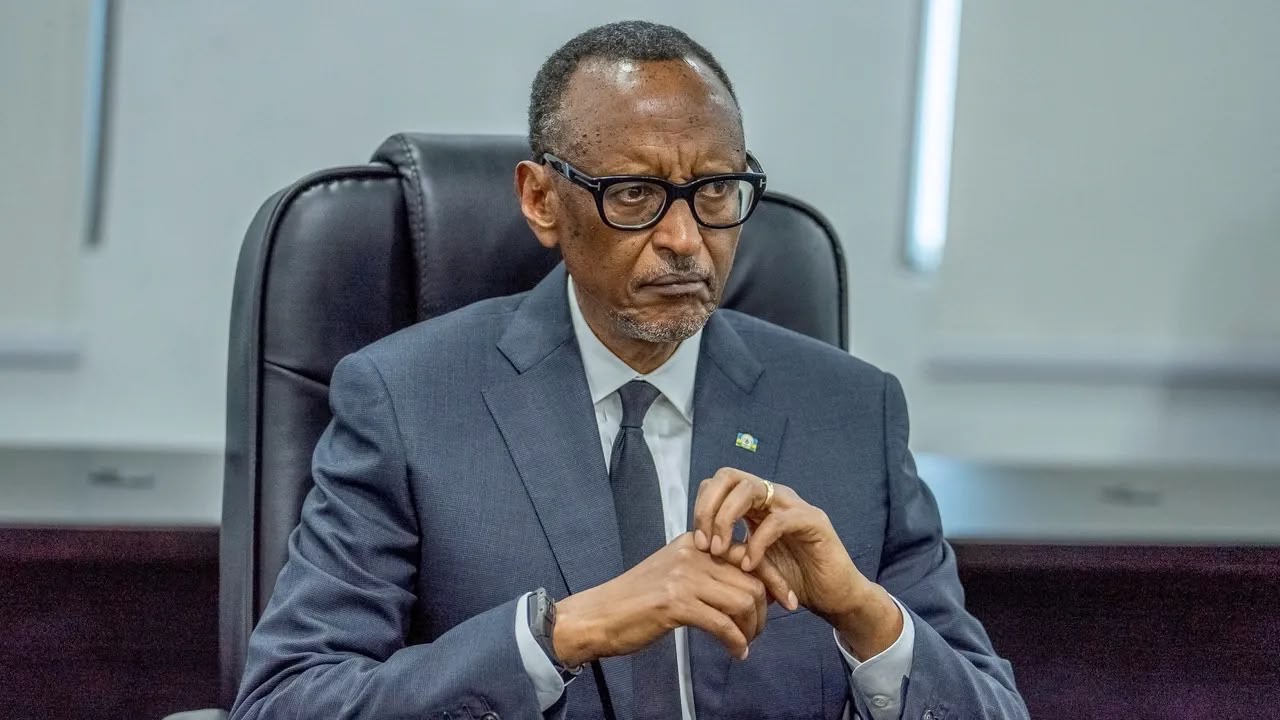
Rwanda’s government under President Paul Kagame presents Kigali as a model clean and modern African city which is good. Streets stay tidy, rules against disorder are strict. However, Freedom of speech is tightly controlled and levels of injustice remain high, with tens of thousands held in prisons and little hope of fair justice.
Yet official figures and reports show a different reality for many citizens. More than 17 percent of households face food insecurity, with 1 percent in severe need. The problem hits rural areas hardest, especially in the Western and Southern provinces. Rural poverty stands at more than 32 percent, almost twice the urban rate of about 17 percent. Nearly 30 percent of children under five suffer from stunting. Many village families rely on small farms and have few other ways to earn money. The government bans street selling and small informal businesses in cities to keep Kigali looking ordered. Unlike in many other African capitals, these everyday trading activities face frequent crackdowns. People lose simple ways to make a living.
Lack of jobs and income has pushed many young women into prostitution as a means of survival. At the same time, unemployed or street youth are often rounded up by security forces for looking poor. They first spend weeks or months in transit centres. Later they are sent to the so called Iwawa (Wawa) rehabilitation centre. There they live under strict military style rules for over a year and receive basic paramilitary training against their will. Authorities often do not contact their families or lawyers before placing them in that situation. Some who were held there describe these transit centres and Wawa as concentration camps.
Even in Kigali, water and electricity cuts are becoming more common. Some people believe that it is a consequence of sanctions. Demand for water exceeds supply by tens of thousands of cubic metres each day. Many neighbourhoods receive water only irregularly. Residents pay higher prices for small containers. Power outages also disrupt daily life and small businesses.
Kigali’s polished appearance is real. The hardship in villages and the growing shortages inside the capital are also real.
While President Kagame continues to fund an extravagant lifestyle including an expensive private jets, sports sponsorships, extensive security details and high priced lobbyists, he appears indifferent to the struggles of Rwanda’s impoverished population.
It is time to allow international organizations to help those ordinary citizens who continue to suffer while the relevant authorities continue to hide the truth about what is going on.
We will keep updating you.