
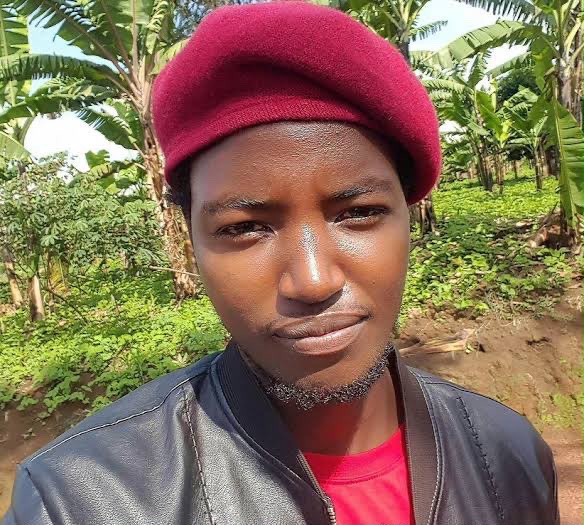
Innocent Bahati, a Rwandan poet and teacher, has been missing since 7 February 2021. Human rights organizations describe his case as part of a broader pattern of suspicious disappearances and deaths involving critics, opposition figures, and independent voices in Rwanda, while authorities have offered limited information and alternative explanations. 
Pattern of disappearances and related cases:
Human Rights Watch and other monitors have documented multiple cases since around 2017 in which opposition members, journalists and critics died or disappeared under suspicious circumstances, with limited public progress on investigations. Examples cited in HRW reporting include opposition linked individuals such as Boniface Twagirimana (reported missing from prison in 2018), Anselme Mutuyimana (found dead in 2019), Eugène Ndereyimana and Syldio Dusabumuremyi (2019), and Venant Abayisenga (2020), as well as critics or journalists including Constantin Tuyishimire (2019), Kizito Mihigo (died in custody in 2020), Innocent Bahati (2021), and John Williams Ntwali (2023) and so many others. 
Official responses in such cases have often involved statements that investigations are ongoing, claims of escape or voluntary departure, or denials of custody, with critics arguing that accountability remains incomplete. Rwanda’s government maintains that it investigates reported disappearances and that freedom of speech is protected. Independent groups counter that a climate of fear restricts open criticism. 
History of Bahati Innocent’s case:
Innocent Bahati born in 1989 was a poet who published and performed work in Kinyarwanda on YouTube, Facebook and at public events. His poems addressed social issues including poverty, education policy and institutional critiques (examples include; Mfungurira, Rubebe, Umwenda Ngomba u Rwanda and Urwandiko rwa Masisi). He also worked as a teacher at Green Hills Academy in Kigali. In 2017, after posting a critical Facebook comment related to the relocation of a higher education campus, Bahati disappeared for several days and later reappeared in police custody. He was held for approximately three months without formal charges and released following a court order. 
On 7 February 2021, Bahati traveled to Nyanza district in Rwanda’s Southern Province. Associates reported that he went to meet an unidentified person at a hotel after a phone conversation. He did not return to Kigali as planned. His phones were switched off that evening and remained unreachable. On 9 February 2021, after unsuccessful inquiries, the disappearance was reported to the Rwanda Investigation Bureau (RIB). 
RIB statements:
RIB initially stated that it was not holding Bahati, that an investigation was underway, and that no further information would be released at that time. In February 2022, following an open letter by writers, RIB spokesperson Thierry B. Murangira stated that Bahati had crossed into Uganda via unofficial border points on multiple occasions, met members of Ugandan security organs and anti-Rwanda elements and received financial support from individuals or groups based in Belgium and the United States.
Authorities indicated he had joined a rebel or anti government group. No detailed public investigative report or corroborating evidence has been released and Bahati’s family and associates have reported receiving no contact from him. As of reports through 2025 and into 2026, Bahati remains missing. PEN International and others have characterized official responses as including repeated references to ongoing investigations without published outcomes. 
Reactions from human rights activists and writers:
PEN International has repeatedly called the disappearance suspicious and linked it to Bahati’s critical poetry and prior detention. It has urged Rwandan authorities to account publicly for his whereabouts, guarantee his safety if in custody and conduct a credible investigation. PEN featured Bahati as an “Empty Chair” at its 2024 congress and organized open letters. In February 2022, more than 300 writers including Margaret Atwood, J.M. Coetzee, Salman Rushdie and others, signed an open letter to President Paul Kagame expressing grave concern and requesting intervention to clarify Bahati’s fate. Human Rights Watch and Rwandan activists described the circumstances as suspicious given his prior detention, recent critical content, and the broader pattern of cases involving government critics, they called for investigation. 
ACAT France and other groups have continued advocacy into 2025, questioning the Uganda explanation given the absence of contact with family for years and the lack evidence of a published RIB report. Activists consistently frame the case within concerns over freedom of speech, enforced disappearance and limited accountability for high profile critics. Rwandan authorities have maintained that criticism of government is constitutionally protected and that investigations proceed according to law. Independent monitors continue to press for transparency.
Bahati’s case remains unresolved more than five years after his disappearance. Pressure on the Rwandan government for a full, independent accounting of his whereabouts, the publication of any investigative findings and justice regarding his fate is essential so that his family and the public can obtain clarity.